You know those nights when you need something healthy, fast, and foolproof? This simple baked flounder recipe is my weeknight hero—ready in 20 minutes flat, with minimal cleanup and maximum flavor. I’ve been making this exact version for years, ever since my days working at a seaside bistro where we served dozens of flounder dishes nightly. What I love is how the lemon brightens the mild, buttery fish without overpowering it, while the paprika adds just the right warmth. It’s become my go-to when I’m craving something light yet satisfying, and trust me, even seafood skeptics clean their plates. The best part? You probably have all the ingredients in your pantry right now.
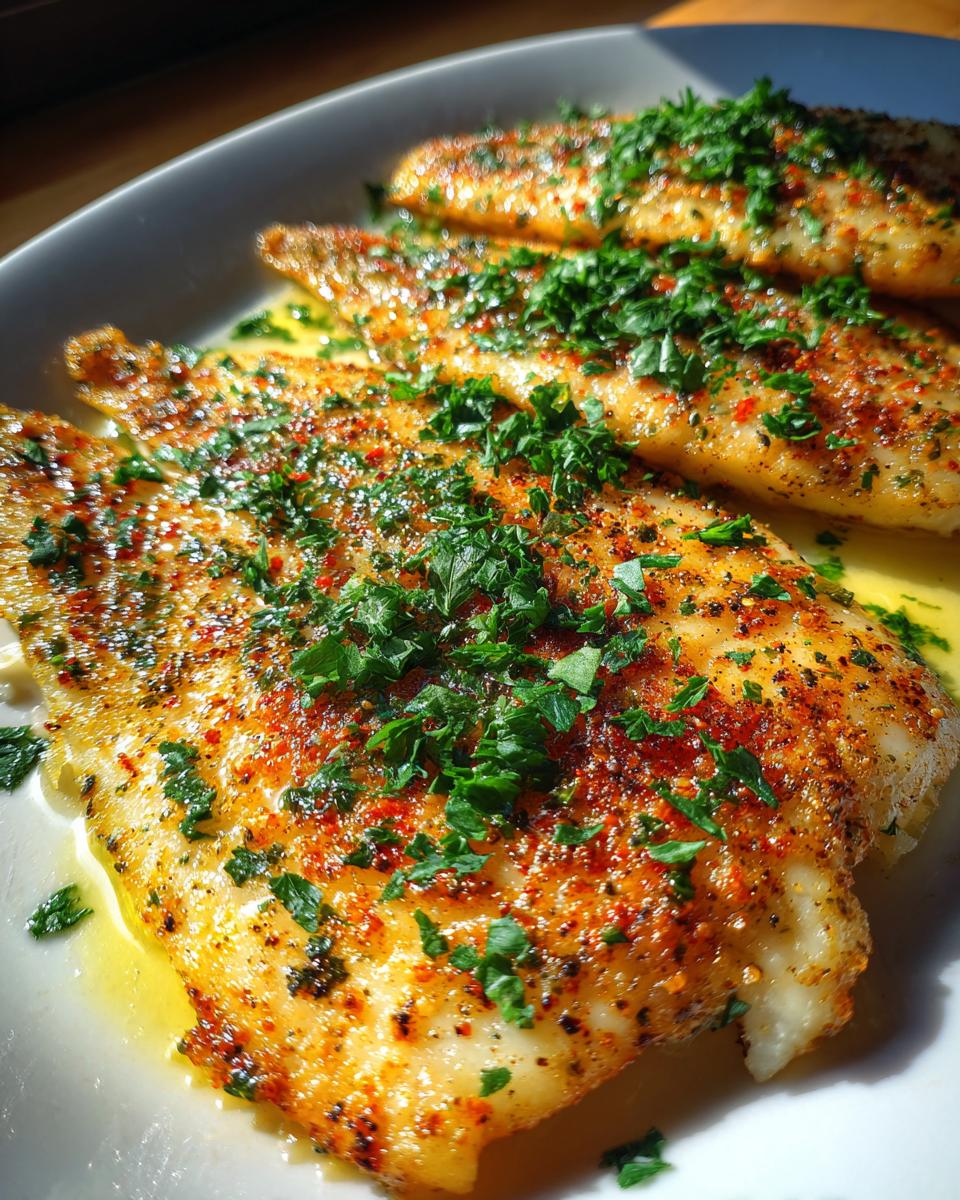
Why You’ll Love This Simple Baked Flounder Recipe
This recipe is my favorite for so many reasons—let me count the ways:
- Crazy fast: From fridge to table in 20 minutes? Yes, please!
- Pantry staples: No fancy ingredients—just oil, lemon, and basic spices you already own
- Foolproof: Even if you’ve never cooked fish before, you can’t mess this up
- Healthy hero: Packed with lean protein and healthy fats, but light enough for any diet
- Minimal cleanup: One pan, no fuss—my kind of weeknight dinner
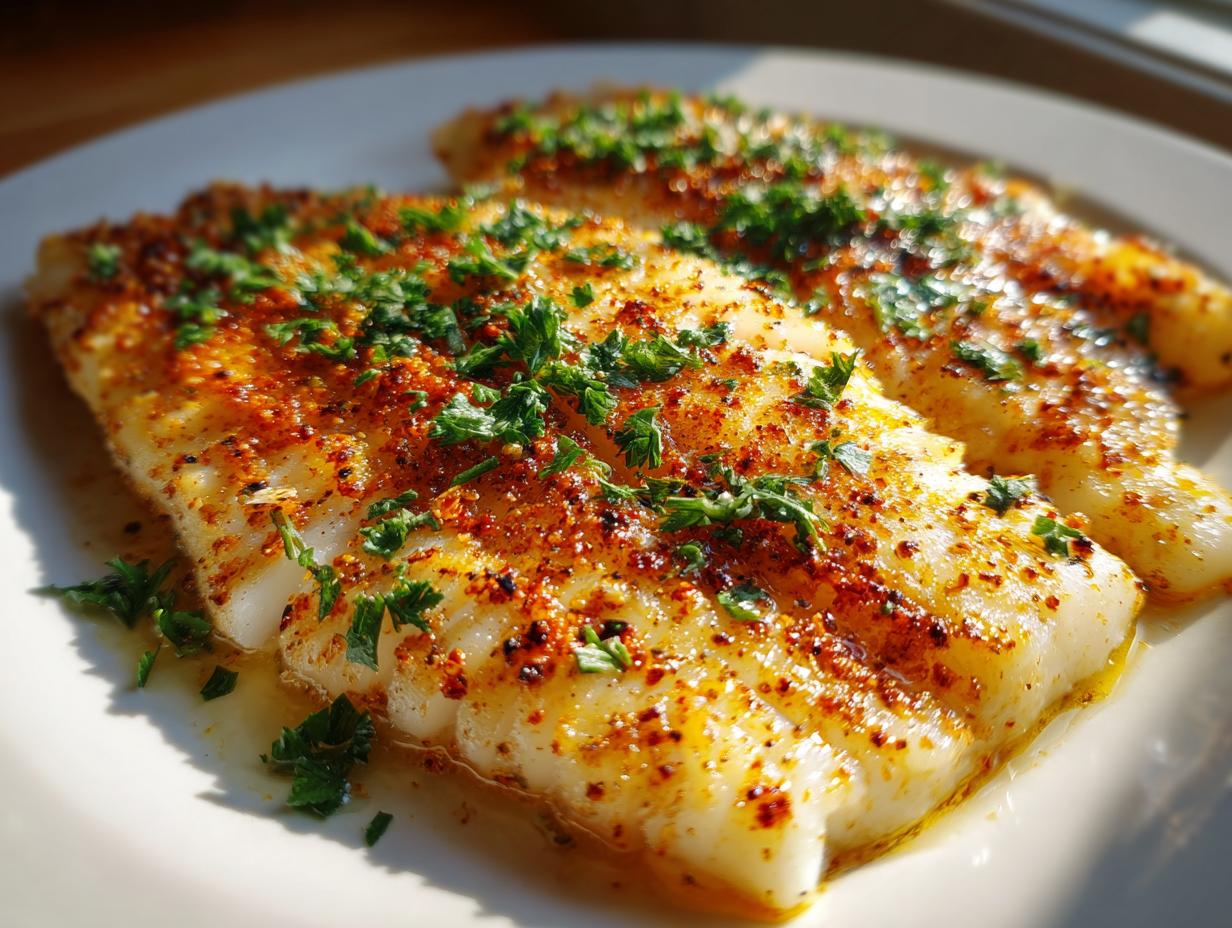
I make this at least twice a month because it’s just that reliable. The flounder stays so tender, and that golden paprika crust? Absolute perfection.
Ingredients for Simple Baked Flounder Recipe
Here’s everything you’ll need—I bet you’ve got most of this already! The beauty of this recipe is in its simplicity:
- 4 flounder fillets (6 oz each)
- 2 tbsp olive oil
- 1 lemon (juiced)
- 1 tsp garlic powder
- 1 tsp paprika
- 1/2 tsp salt
- 1/4 tsp black pepper
- 1 tbsp fresh parsley (chopped)
That’s it—just 8 humble ingredients transforming into something magical. I always grab extra lemons because I love squeezing fresh juice over the baked fish right before serving!
How to Make Simple Baked Flounder
This flounder practically cooks itself—just follow these easy steps for perfect results every time. I’ve made this so often I could do it in my sleep, but I’ll walk you through it like I’m showing a friend in my kitchen.
Step 1: Prep the Oven and Baking Sheet
First things first—crank that oven to 400°F (200°C). While it’s heating, grab a baking sheet and line it with parchment paper. (Trust me, this saves so much cleanup time!) No parchment? A light oil spray works too. The key is making sure your flounder won’t stick—nobody wants fish confetti instead of fillets.
Step 2: Season the Flounder
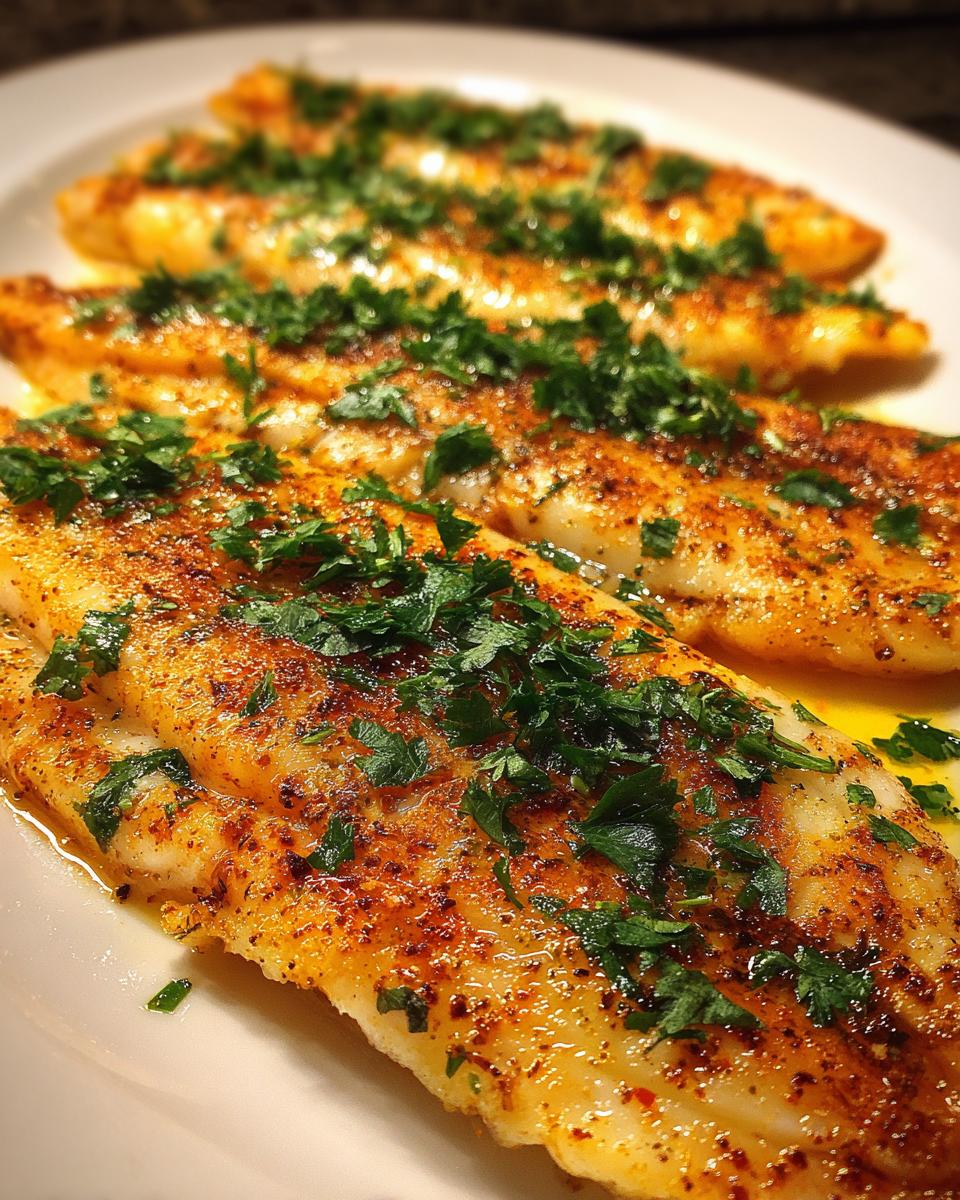
Place your fillets on the prepared sheet—they can be close but not touching. Drizzle with olive oil like you’re anointing royalty, then squeeze that lemon juice over everything. Now the fun part: sprinkle garlic powder, paprika, salt, and pepper evenly across each fillet. I use my fingers to gently rub the spices in—it’s messy but ensures every bite is flavorful.
Step 3: Bake to Perfection
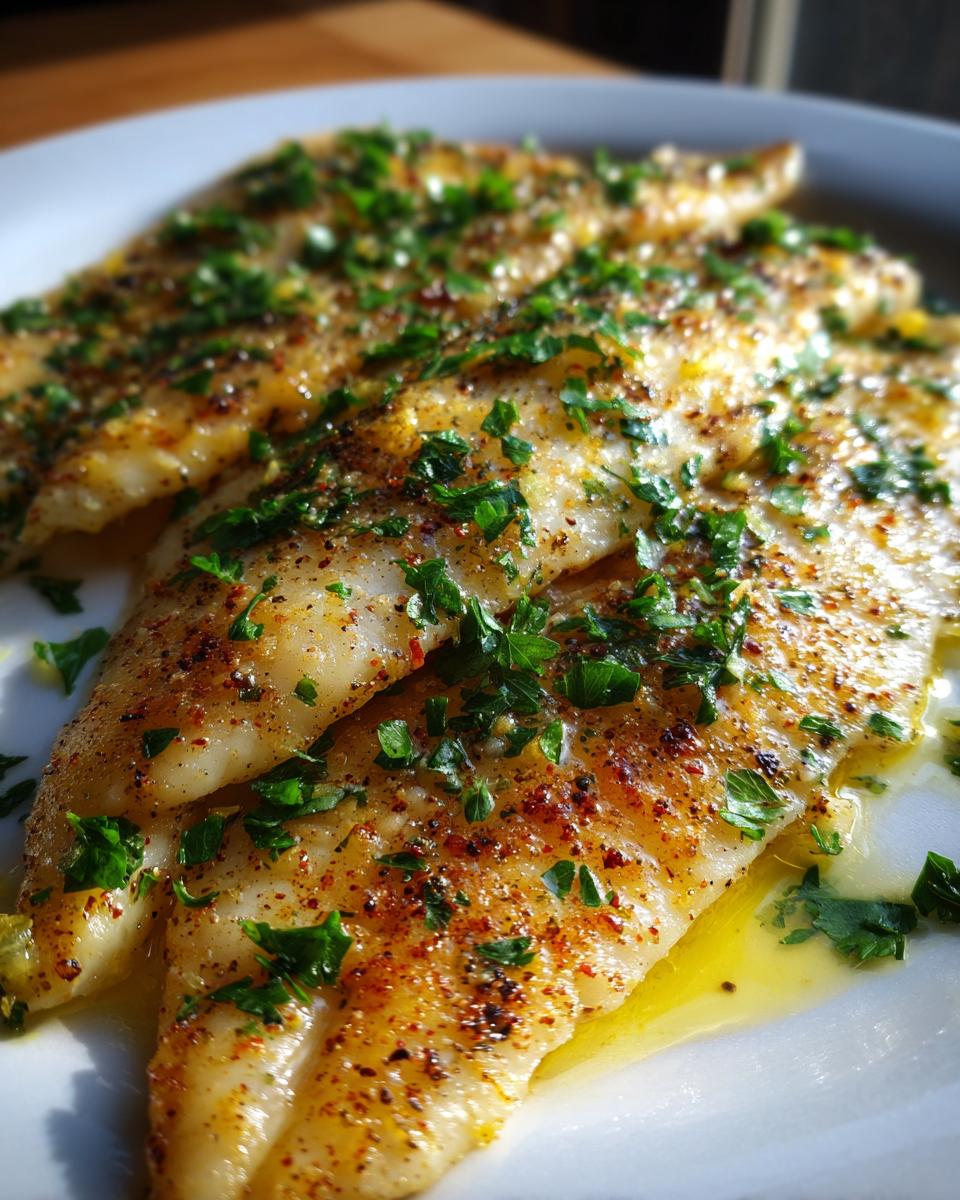
Pop them in the oven for 12-15 minutes—I always set my timer for 12 minutes first. The fish is done when it flakes easily with a fork and turns opaque. Don’t overcook it! Flounder goes from perfectly tender to rubbery fast. When in doubt, pull it out—it’ll keep cooking a bit from residual heat. Finish with a shower of fresh parsley for that pop of color and freshness.
Tips for the Best Simple Baked Flounder
After making this recipe dozens of times, I’ve picked up a few tricks that make all the difference:
- Pat it dry: Blot fillets with paper towels before seasoning—this helps the spices stick better and prevents steaming
- Watch the clock: Set that timer! Flounder cooks fast, and even 1 extra minute can mean dry fish
- Taste your spice mix: Before sprinkling, pinch a bit between your fingers—adjust if it needs more zing or sweetness
- Room temp matters: Let fillets sit out 10 minutes before baking so they cook evenly
My biggest tip? Trust your nose—when that lemony, garlicky aroma fills your kitchen, dinner’s about 2 minutes away!
Ingredient Notes and Substitutions
No flounder? No problem! Tilapia or sole work beautifully here—just adjust bake time by a minute or two. Out of fresh parsley? A teaspoon of dried works (use half if it’s ground). Fresh lemon is best, but bottled juice in a pinch will do. The key is keeping that bright, simple flavor profile intact!
Serving Suggestions for Simple Baked Flounder
This flounder shines alongside simple sides that won’t steal its spotlight. My go-to is garlicky sautéed spinach and a lemon wedge—so easy! For heartier meals, try fluffy jasmine rice to soak up the juices. A crisp arugula salad with shaved Parmesan? Perfect. Or keep it classic with roasted asparagus—anything fresh and light lets the fish be the star!
Storing and Reheating Leftovers
Leftovers? They’re rare with this flounder, but if you’re lucky enough to have some, here’s how to keep them tasty. Store in an airtight container in the fridge—they’ll stay good for about 2 days. When reheating, go low and slow! 30 seconds in the microwave at 50% power keeps the fish from turning rubbery. Even better? Pop them in a 300°F oven for 5 minutes—just until warmed through. Pro tip: Add a fresh squeeze of lemon after reheating to wake up those flavors!
Simple Baked Flounder Recipe FAQs
Let’s tackle those burning questions I always get about this foolproof flounder recipe—consider this your cheat sheet for perfect results!
Can I use frozen flounder?
Absolutely! Just thaw it overnight in the fridge first—never microwave-thaw fish unless you want rubber. Pat it extra dry before seasoning to prevent watery baked flounder.
How do I know it’s cooked through?
The fish should flake easily with a fork and turn opaque all the way through. I do the “press test”—if it springs back slightly when touched, it’s done. Undercooked? Still translucent. Overcooked? Dry shreds.
What if I don’t have paprika?
No sweat—smoked paprika adds depth, but regular works too. Or try a pinch of cayenne for heat or turmeric for color. The lemon and garlic are the real MVPs here anyway!
Can I prep this ahead?
Season the fillets up to 2 hours before baking—any longer and the acid in the lemon starts “cooking” the fish. Store them covered in the fridge until oven time.
Why is my flounder sticking to the pan?
Ah—likely not enough oil or your parchment paper shifted. Next time, give the paper a quick spritz with oil too. Stuck bits? Slide a thin spatula underneath while it’s still warm.
Nutritional Information
Here’s the skinny on what you’re getting with each delicious fillet—just remember, these values are estimates and can vary based on your exact ingredients. My food scale and calculator tell me:
- Serving Size: 1 fillet
- Calories: 220
- Sugar: 1g
- Sodium: 320mg
- Fat: 8g (1g saturated, 6g unsaturated)
- Carbohydrates: 3g
- Fiber: 1g
- Protein: 35g
Not too shabby for something this flavorful, right? The protein keeps you full while staying light enough for seconds—not that I’m encouraging that… okay, maybe a little!
Final Thoughts
Give this simple baked flounder recipe a try—it’s a guaranteed winner for busy nights. I’d love to hear how it turns out for you! Share your results and let me know your favorite twists!
Print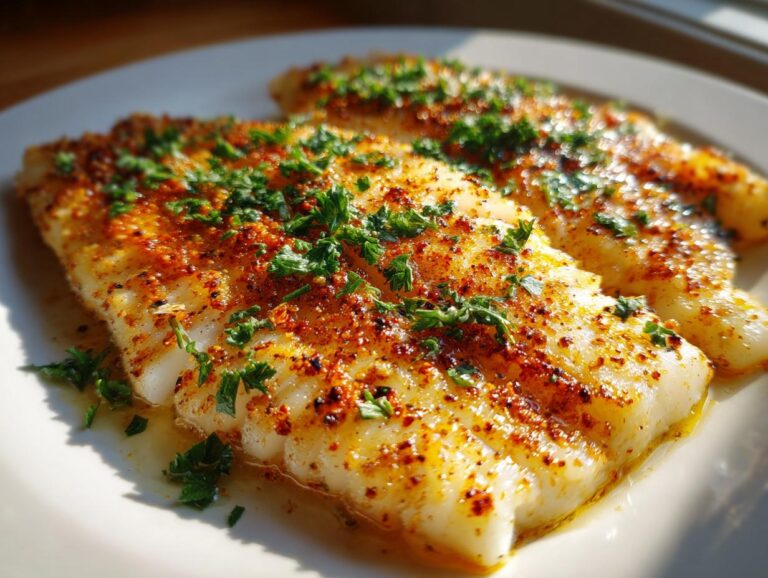
20-Minute Simple Baked Flounder Recipe – Easy & Delicious!
A quick and easy baked flounder recipe that’s perfect for a healthy weeknight dinner.
- Total Time: 20 minutes
- Yield: 4 servings 1x
Ingredients
- 4 flounder fillets (6 oz each)
- 2 tbsp olive oil
- 1 lemon (juiced)
- 1 tsp garlic powder
- 1 tsp paprika
- 1/2 tsp salt
- 1/4 tsp black pepper
- 1 tbsp fresh parsley (chopped)
Instructions
- Preheat oven to 400°F (200°C).
- Line a baking sheet with parchment paper.
- Place flounder fillets on the baking sheet.
- Drizzle olive oil and lemon juice over the fillets.
- Sprinkle garlic powder, paprika, salt, and pepper evenly.
- Bake for 12-15 minutes until fish flakes easily.
- Garnish with fresh parsley before serving.
Notes
- Use fresh flounder for best results.
- Adjust seasoning to taste.
- Serve with steamed vegetables or rice.
- Prep Time: 5 minutes
- Cook Time: 15 minutes
- Category: Main Dish
- Method: Baking
- Cuisine: American
- Diet: Low Calorie
Nutrition
- Serving Size: 1 fillet
- Calories: 220
- Sugar: 1g
- Sodium: 320mg
- Fat: 8g
- Saturated Fat: 1g
- Unsaturated Fat: 6g
- Trans Fat: 0g
- Carbohydrates: 3g
- Fiber: 1g
- Protein: 35g
- Cholesterol: 85mg