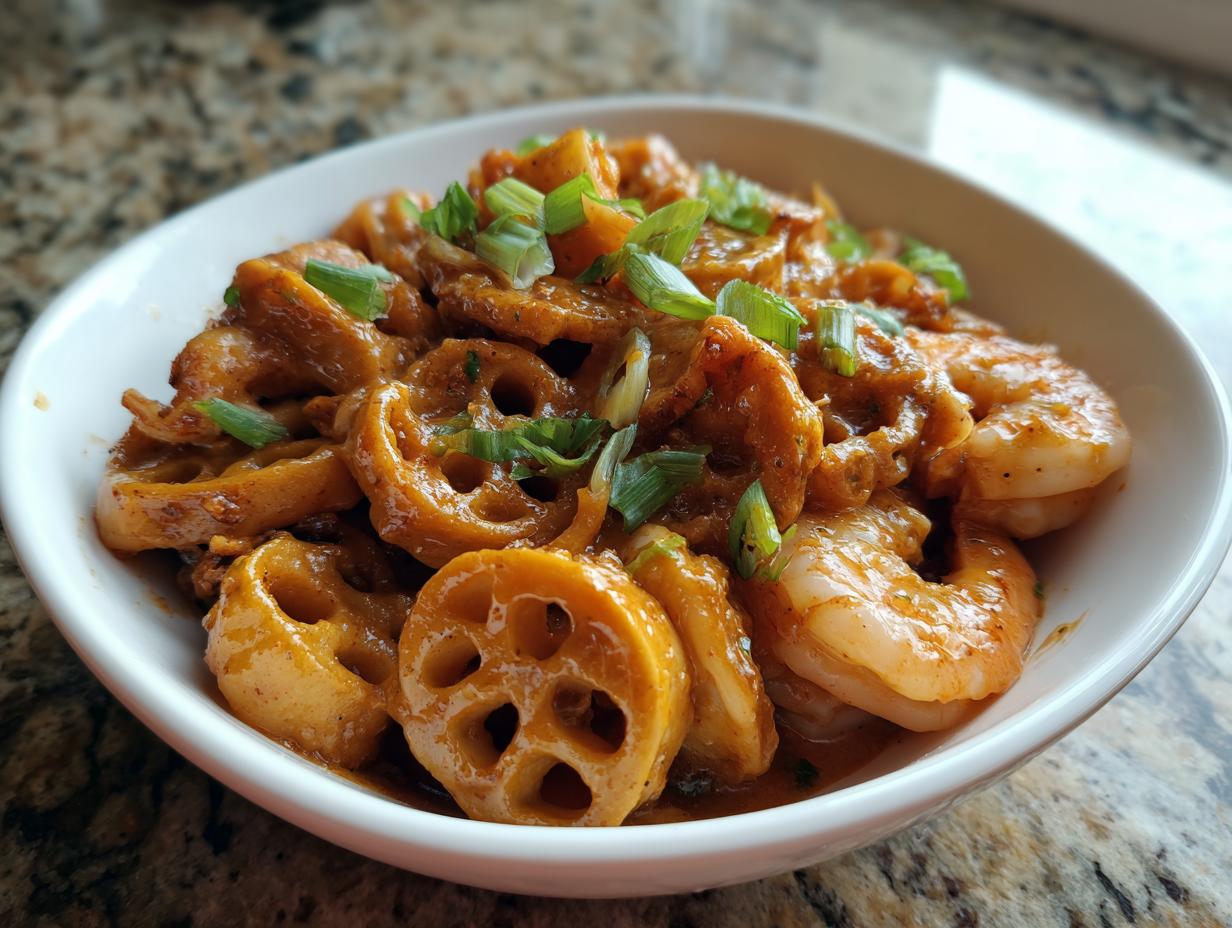
You know those dishes that instantly transport you to a bustling Asian night market? This lotus seafood sauce recipe does exactly that! I first tasted a version of this magical sauce at a tiny street food stall in Hanoi, and I’ve been obsessed with recreating that perfect balance of textures and flavors ever since. The crisp lotus root, tender seafood, and savory-sweet sauce come together in under 30 minutes – faster than ordering takeout!
What makes this lotus seafood sauce special is how versatile it is. I’ve served it over steamed fish for fancy dinners, tossed it with noodles for quick lunches, and even used it as a dipping sauce for summer rolls. My family goes crazy for it every time – especially when I sneak in extra garlic (don’t tell my husband!). The secret is in the lotus root’s natural crunch that holds up beautifully against the silky sauce.
Why You’ll Love This Lotus Seafood Sauce Recipe
Trust me, once you try this recipe, you’ll understand why it’s become my go-to weeknight hero. Here’s what makes it so special:
- Lightning fast: From chopping to serving in under 30 minutes – faster than waiting for delivery!
- Magic texture combo: That irresistible crunch from fresh lotus root against silky seafood gets me every time.
- Flavor bomb: Sweet, savory, and umami all in one bite – way better than store-bought sauces.
- Super adaptable: Ran out of squid? Use scallops. Want it vegetarian? Tofu works beautifully!
- Crowd-pleaser: My picky nephew even asks for seconds (and he usually lives on chicken nuggets).
Ingredients for Lotus Seafood Sauce
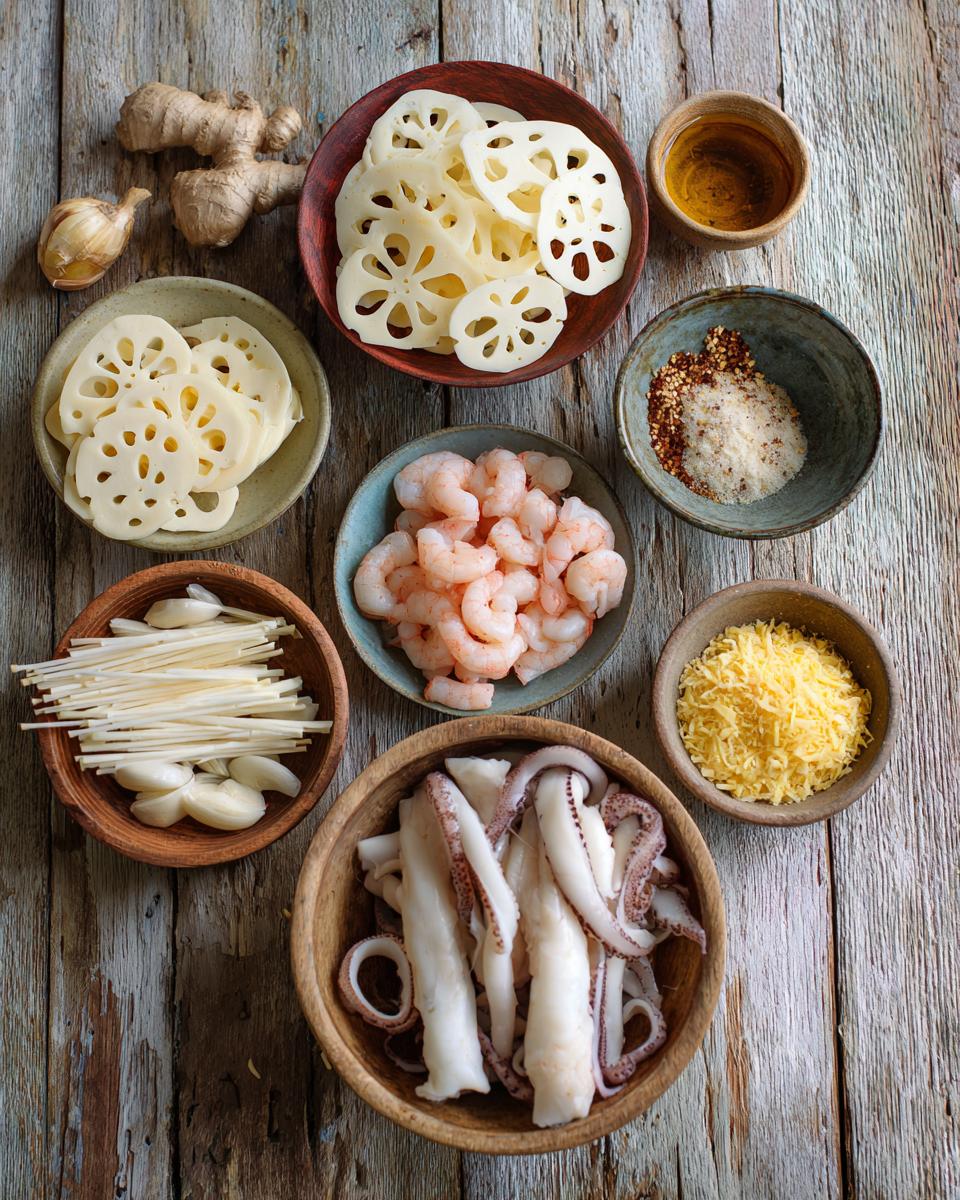
Gathering the right ingredients is half the battle with this recipe – but don’t worry, everything’s easy to find at your local Asian market or even most well-stocked supermarkets. Here’s what you’ll need to make this flavor-packed sauce come to life:
- 1 cup lotus root – look for firm, unblemished roots and slice them about ¼-inch thick (they’ll keep their crunch better this way)
- ½ cup shrimp – medium size, peeled and deveined (I like to keep the tails on for presentation)
- ½ cup squid – cleaned and sliced into rings (ask your fishmonger to do this if you’re squeamish!)
- 2 cloves garlic – minced (or more if you’re a garlic fiend like me)
- 1 tbsp ginger – freshly grated (none of that powdered stuff – trust me on this)
For the sauce magic:
- 2 tbsp soy sauce – use light soy sauce if you can find it
- 1 tbsp oyster sauce – this is the umami bomb that makes everything better
- 1 tsp sugar – just enough to balance everything out
- 1 tbsp vegetable oil – for sautéing (peanut oil works great too)
- ¼ cup water – to help create that perfect saucy consistency
- 1 tsp cornstarch – dissolved in 1 tbsp water for thickening
- 1 green onion – chopped for that fresh pop of color and flavor at the end
Ingredient Substitutions & Notes
Ran out of something? No worries – here’s how to adapt without losing that amazing flavor:
- Seafood swaps: Scallops or mussels work beautifully instead of shrimp/squid. For vegetarians, firm tofu or mushrooms make great substitutes.
- Soy alternatives: Tamari works if you’re gluten-free, or coconut aminos for a soy-free version (just add a pinch more sugar).
- Lotus root tip: Can’t find fresh? Frozen pre-sliced lotus root works in a pinch (thaw first).
- Spice it up: Add a sliced red chili or a dash of chili oil if you like heat.
- Storage note: Fresh lotus root keeps for about a week in the fridge wrapped in damp paper towels.
Remember, cooking’s all about making it work with what you’ve got – don’t stress if you need to improvise!
How to Make Lotus Seafood Sauce
Okay, let’s get cooking! This lotus seafood sauce comes together so quickly, you’ll want to have all your ingredients prepped and ready to go before you turn on the stove. I learned the hard way that when things move this fast, you don’t want to be frantically peeling shrimp while your garlic burns!
Step 1: Sauté Aromatics
First, grab your favorite wok or large skillet (mine’s this beat-up carbon steel one that’s seen better days) and heat the oil over medium heat. You’ll know it’s ready when a tiny piece of garlic sizzles immediately upon contact. Toss in your minced garlic and grated ginger – the smell alone will make your kitchen smell incredible!
Now here’s the key: stir constantly for just about 60 seconds. We want those aromatics golden and fragrant, not browned or (heaven forbid) burnt. If they start darkening too fast, just pull the pan off the heat for a second. This quick sauté builds the flavor foundation for our entire lotus seafood sauce.
Step 2: Cook Lotus Root and Seafood
Next, add those beautiful lotus root slices – listen for that satisfying sizzle! Let them cook for about 3 minutes, giving them an occasional stir. You’ll see the edges start to turn translucent while keeping that signature crunch.
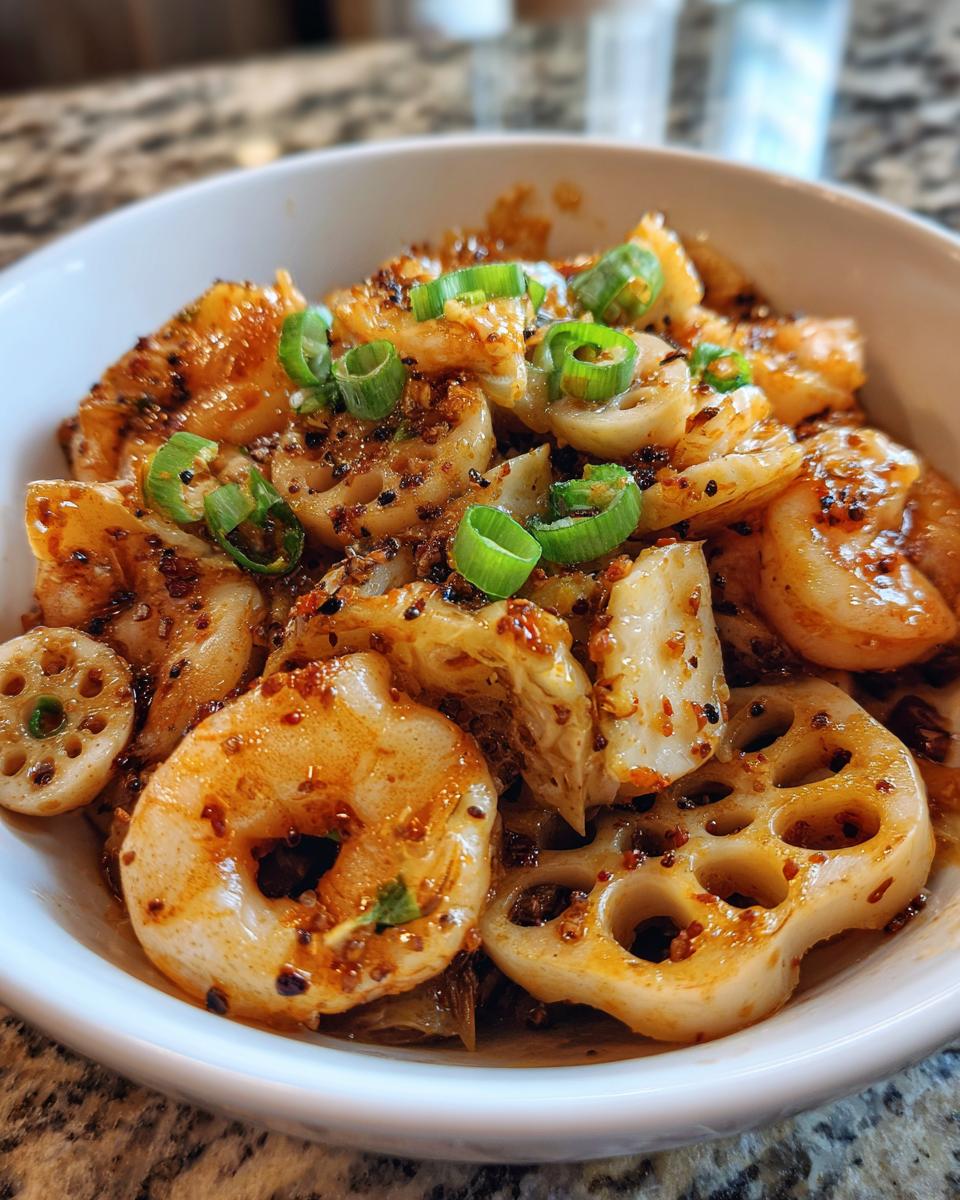
Now for the seafood! Add the shrimp and squid all at once. The shrimp will go from gray to that perfect pink color, and the squid rings will turn from translucent to opaque white – this usually takes about 2-3 minutes. Don’t walk away now! Overcooked squid turns rubbery faster than you can say “lotus seafood sauce.”
Step 3: Thicken the Sauce
While the seafood cooks, quickly mix your soy sauce, oyster sauce, sugar and water in a small bowl. Pour this magic liquid over everything in the pan and give it a good stir to coat. Now here comes my favorite trick: mix the cornstarch with 1 tablespoon of cold water until it’s completely smooth (no lumps!), then drizzle it in while stirring.
Watch as the sauce transforms before your eyes – in about 30 seconds it’ll go from watery to gloriously glossy. That’s your cue to kill the heat and sprinkle with green onions. The residual heat will wilt them just enough. And voila! Your perfect lotus seafood sauce is ready to serve.
Tips for Perfect Lotus Seafood Sauce
After making this recipe more times than I can count (seriously, my family won’t stop requesting it), I’ve learned a few tricks to take your lotus seafood sauce from good to “Oh my god, can I have the recipe?” territory:
- Keep that wok hot! High heat is your friend – it gives the lotus root that perfect crisp-tender texture without turning mushy. Just keep everything moving so nothing burns.
- Seafood timing is everything. The second those shrimp turn pink and the squid turns opaque white, they’re done. Any longer and you’ll be chewing rubber bands instead of enjoying tender seafood.
- Prep your cornstarch slurry right. Mix it with cold water first to avoid lumps in your sauce. I like to use a small jar with a lid – just add the water and cornstarch, shake like crazy, and pour!
- Taste as you go. Want more umami? Add a splash more oyster sauce. Too salty? Balance it with a pinch more sugar. This recipe is super forgiving.
- Garnish with abandon. Don’t skip the green onions! Their fresh bite cuts through the rich sauce beautifully. Sometimes I add toasted sesame seeds or cilantro too when I’m feeling fancy.
Remember, the best lotus seafood sauce comes from cooking with confidence – trust your instincts and have fun with it!
Serving Suggestions for Lotus Seafood Sauce
Oh, the possibilities with this sauce! My absolute favorite way is ladled over steaming jasmine rice – the grains soak up all that glorious flavor while still letting the lotus root shine. It’s also magical tossed with chewy udon noodles or as a glamorous topping for simple steamed fish (try it on cod or sea bass!). Feeling fancy? Sprinkle with toasted sesame seeds or chili flakes for color and crunch. Honestly though? I’ve been known to eat it straight from the pan with a spoon when no one’s looking!
Storage & Reheating
Now, I’ll be honest – this lotus seafood sauce is so delicious, leftovers rarely last long in my house! But if you do manage to save some, here’s how to keep it tasting fresh:
Pop any extra sauce into an airtight container and refrigerate within 2 hours of cooking. It’ll stay good for about 2 days – any longer and the lotus root starts losing its signature crunch. When you’re ready to enjoy it again, reheat gently on the stovetop over low heat with a splash of water to loosen the sauce. Stir often to prevent sticking!
A word of warning: don’t even think about freezing this one. The seafood turns rubbery and the lotus root gets weirdly mushy after thawing. Trust me, I learned this the hard way after a sad freezer experiment. Better to just whip up a fresh batch – it’s quick enough to make on a whim anyway!
Pro tip: If you know you’ll have leftovers, store the lotus root separately from the sauce to maintain its texture. Just give it a quick sauté to refresh before serving.
Lotus Seafood Sauce Recipe FAQs
I get so many questions about this recipe from friends who’ve tried it – here are the ones that pop up most often with my honest answers:
Can I use frozen seafood instead of fresh?
Absolutely! Frozen shrimp and squid work fine here – just thaw completely in the fridge first and pat them super dry with paper towels. The texture won’t be quite as perfect as fresh, but the flavor still rocks. Pro tip: skip the pre-cooked frozen shrimp – they turn rubbery when cooked again in the sauce.
How can I make this lower in sodium?
I hear you! Try using low-sodium soy sauce and cutting the oyster sauce in half – replace that missing umami with a teaspoon of fish sauce or a pinch of mushroom powder. You can also double the fresh ginger and garlic for more flavor without salt. Taste as you go – you might not miss the sodium at all!
Is lotus root absolutely essential?
While the lotus root gives this dish its signature crunch and name, don’t stress if you can’t find it. Try water chestnuts or jicama for similar crunch, or bamboo shoots for a different but delicious texture. Just promise me you’ll try the real deal at least once – that crisp bite is life-changing!
Nutritional Information
Okay, let’s talk numbers – but don’t worry, I’m not about to turn this into a boring nutrition lecture! Here’s the scoop on what’s in this delicious lotus seafood sauce (per serving):
- Calories: Around 120 – perfect for when you want flavor without feeling stuffed
- Protein: 8g from all that glorious seafood
- Carbs: 10g (mostly from that magical lotus root)
- Fat: Just 4g – this sauce keeps things light
Important note: These values are estimates based on my typical ingredients. Your exact nutrition will vary depending on your specific brands and any tweaks you make (like that extra splash of oyster sauce I know you’re tempted to add!).
The best part? This sauce packs tons of flavor without loading up on empty calories. The lotus root gives you fiber, the seafood delivers lean protein, and all those aromatics? They’re basically free flavor boosters!
Try this recipe and share your results in the comments! Did you make any healthy swaps? Discover a new favorite way to serve it? I want to hear all about your lotus seafood sauce adventures!
Print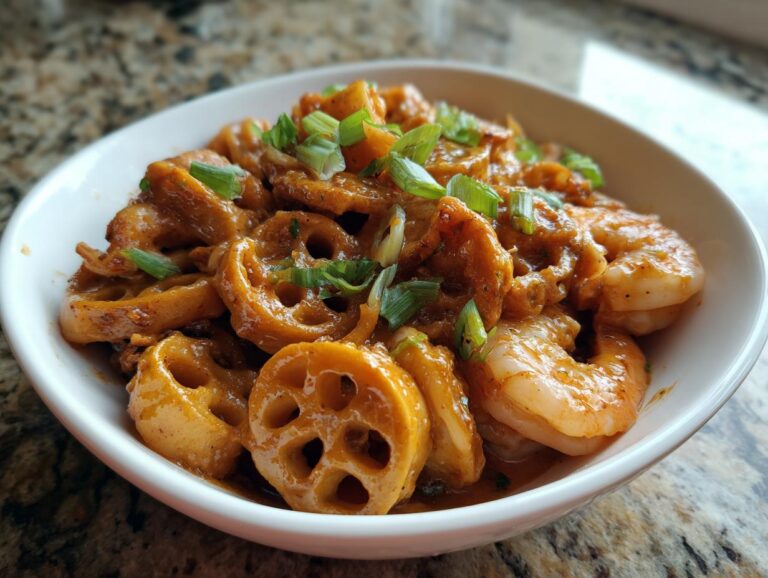
Lotus Seafood Sauce with Shrimp and Squid
A simple and delicious lotus seafood sauce recipe that pairs perfectly with grilled or steamed seafood.
- Total Time: 25 mins
- Yield: 2 servings 1x
Ingredients
- 1 cup lotus root, sliced
- 1/2 cup shrimp, peeled and deveined
- 1/2 cup squid, cleaned and sliced
- 2 cloves garlic, minced
- 1 tbsp ginger, grated
- 2 tbsp soy sauce
- 1 tbsp oyster sauce
- 1 tsp sugar
- 1 tbsp vegetable oil
- 1/4 cup water
- 1 tsp cornstarch
- 1 green onion, chopped
Instructions
- Heat oil in a pan over medium heat.
- Add garlic and ginger, sauté for 1 minute.
- Add lotus root slices and cook for 3 minutes.
- Add shrimp and squid, cook until seafood turns opaque.
- Mix soy sauce, oyster sauce, sugar, and water in a bowl.
- Pour the sauce into the pan and stir well.
- Dissolve cornstarch in 1 tbsp water and add to thicken the sauce.
- Garnish with chopped green onion and serve hot.
Notes
- Adjust soy sauce to taste.
- Replace shrimp and squid with other seafood if preferred.
- Serve immediately for best texture.
- Prep Time: 10 mins
- Cook Time: 15 mins
- Category: Sauce
- Method: Stir-fry
- Cuisine: Asian
- Diet: Low Fat
Nutrition
- Serving Size: 1/2 cup
- Calories: 120
- Sugar: 3g
- Sodium: 800mg
- Fat: 4g
- Saturated Fat: 1g
- Unsaturated Fat: 2g
- Trans Fat: 0g
- Carbohydrates: 10g
- Fiber: 2g
- Protein: 8g
- Cholesterol: 50mg