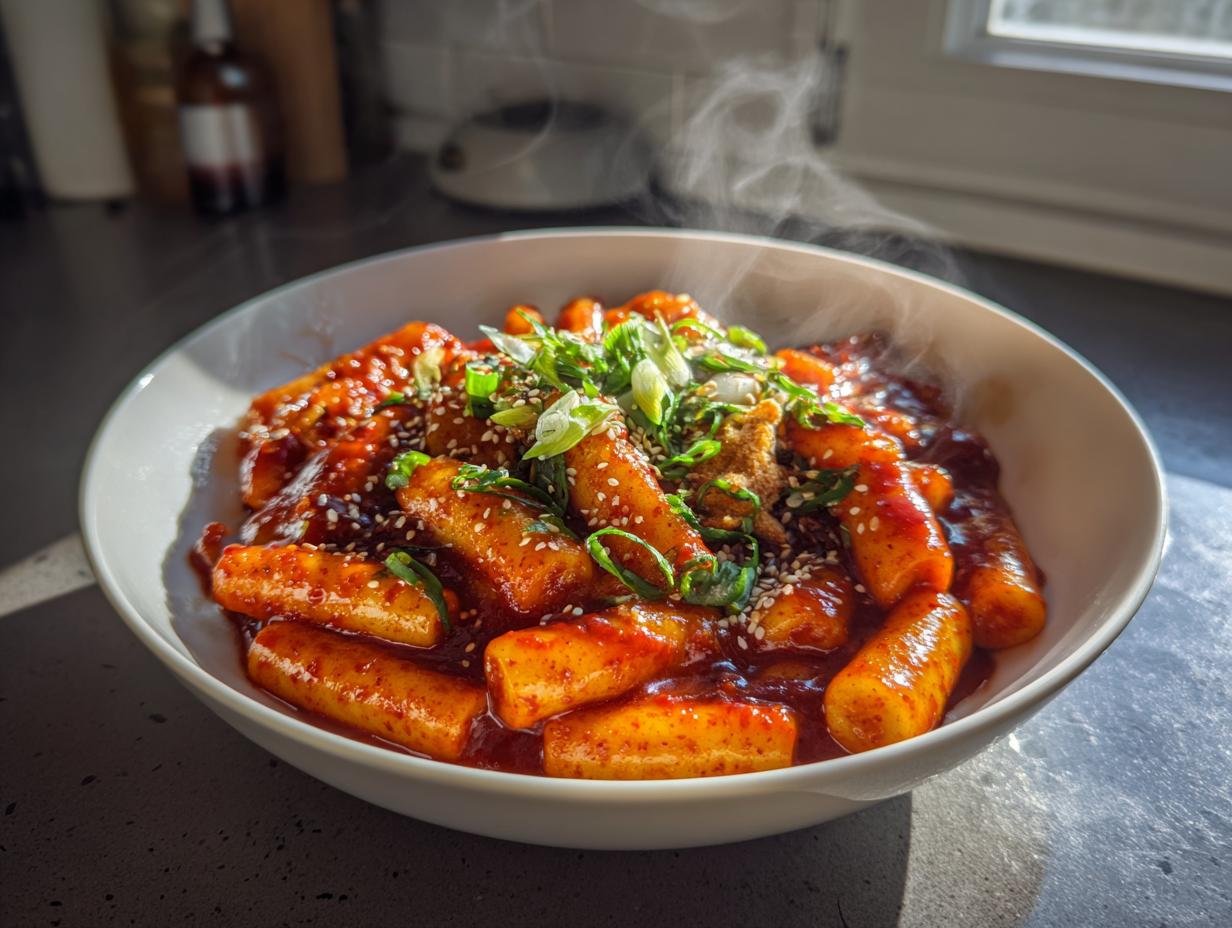
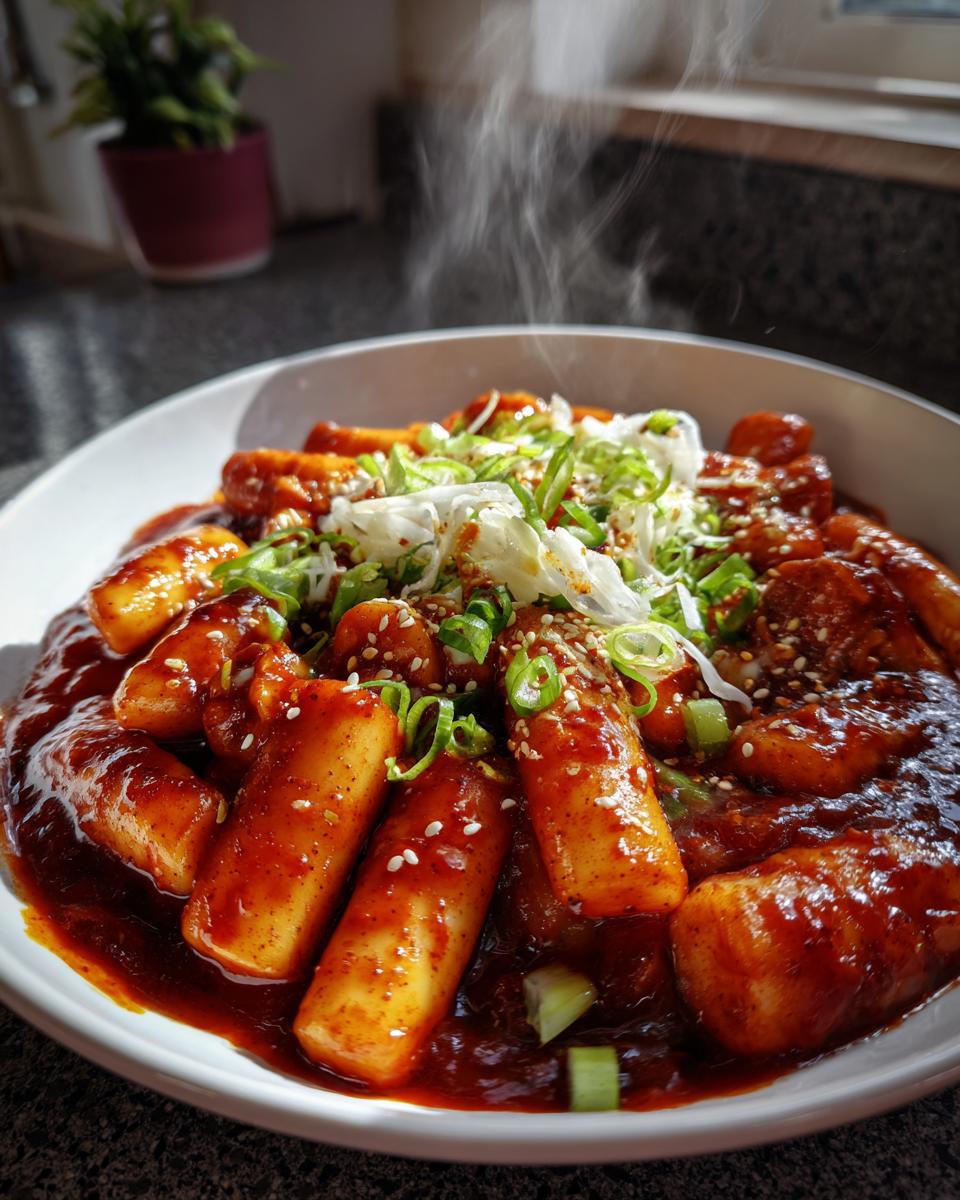
Oh my gosh, let me tell you about my absolute obsession with Korean Spicy Rice Cakes (Tteokbokki)! The first time I tried this fiery, chewy delight from a street vendor in Seoul, I swear I saw fireworks. There’s something magical about those pillowy rice cakes swimming in that sweet-spicy sauce that just hits different. Now I make it at home whenever I need a quick comfort food fix – it’s seriously easier than you’d think!
What makes Tteokbokki so special is that perfect balance – the chewiness of the rice cakes against that bold, addictive sauce that’ll have you licking the spoon. It’s the ultimate Korean street food experience you can recreate in your own kitchen in under 30 minutes. My Korean friend Ji-hyun taught me her family’s secret for getting the sauce just right, and I can’t wait to share all the tricks with you!
Ingredients for Korean Spicy Rice Cakes (Tteokbokki)
Okay, let’s gather everything you’ll need to make this flavor bomb! I’ve learned through trial and error that having the right ingredients makes all the difference with tteokbokki. Here’s what you’ll want to have ready:
- 500g Korean rice cakes (tteok) – These are the chewy stars of the show! Look for the cylinder-shaped ones in the frozen section of Asian markets
- 4 cups water – This forms the base of our sauce
- 1/4 cup gochujang (Korean red pepper paste) – The spicy soul of the dish! Adjust up or down based on your heat tolerance
- 1 tbsp gochugaru (Korean red pepper flakes) – Adds extra kick and that gorgeous red color
- 2 tbsp soy sauce – For that essential umami depth
- 1 tbsp sugar – Balances out the heat
- 1 tbsp corn syrup (or honey) – Gives the sauce that perfect glossy finish
- 2 cloves garlic, minced – Fresh is best here!
- 1 green onion, chopped – For that fresh pop at the end
- 1 tbsp sesame oil – The finishing touch that makes everything smell amazing
Optional but delicious add-ins:
- 1 sheet fish cake (odeng), sliced into triangles
- 1 boiled egg – My personal favorite addition!
- 1/2 cup shredded cabbage – Adds nice crunch
Pro tip: If you can’t find fresh rice cakes, frozen ones work great too – just soak them in warm water for 10 minutes first to soften them up. Trust me, it makes all the difference in getting that perfect chewy texture!
How to Make Korean Spicy Rice Cakes (Tteokbokki)
Okay, let’s get cooking! I promise this is way easier than it looks – just follow these simple steps and you’ll have restaurant-quality tteokbokki in no time. The secret is in the timing and paying attention to those little details that make all the difference.
Preparing the Rice Cakes
First things first – let’s talk about those rice cakes. If you’re using frozen ones (which most of us do), they’ll be rock hard straight from the package. Don’t worry! Just soak them in warm water for about 10 minutes while you prep everything else.
I like to test them by poking one – it should be slightly soft but still hold its shape. If they’re fresh rice cakes? Lucky you! Just rinse them quickly and they’re ready to go. This soaking step is crucial though – skip it and you’ll end up with tough, chewy rice cakes that don’t soak up the sauce properly.
Making the Spicy Sauce
Now for the fun part – that addictive sauce! Grab your pot and let’s build the flavors layer by layer. Start with the water (or use anchovy broth if you’re feeling fancy), then whisk in the gochujang until it dissolves completely. Don’t be shy with it – that red pepper paste is where the magic happens!
Next, add the gochugaru, soy sauce, sugar, and corn syrup. The sugar balances the heat while the corn syrup gives that gorgeous glossy sheen. Tip from my Korean friend: always taste the sauce at this point – it should be slightly sweeter than you want the final dish to be because the rice cakes will mellow it out.
Bring everything to a gentle boil, then add the minced garlic. Oh, that smell! Your kitchen should be smelling amazing right about now.
Cooking and Serving
Time for the main event! Drain your softened rice cakes and add them to the bubbling sauce. Let them simmer for 5-7 minutes – you’ll know they’re ready when they’ve plumped up and the sauce has thickened to coat the back of a spoon.
If you’re adding extras like fish cakes or cabbage, toss them in during the last 2 minutes of cooking. They just need time to heat through and soak up some flavor. My personal must-have? A boiled egg cut in half – the yolk makes the sauce extra luxurious.
Right before serving, drizzle with sesame oil (don’t skip this – it adds SO much depth!) and sprinkle with chopped green onions. Serve piping hot – tteokbokki is best enjoyed immediately while the rice cakes are still wonderfully chewy and the sauce is lava-hot.
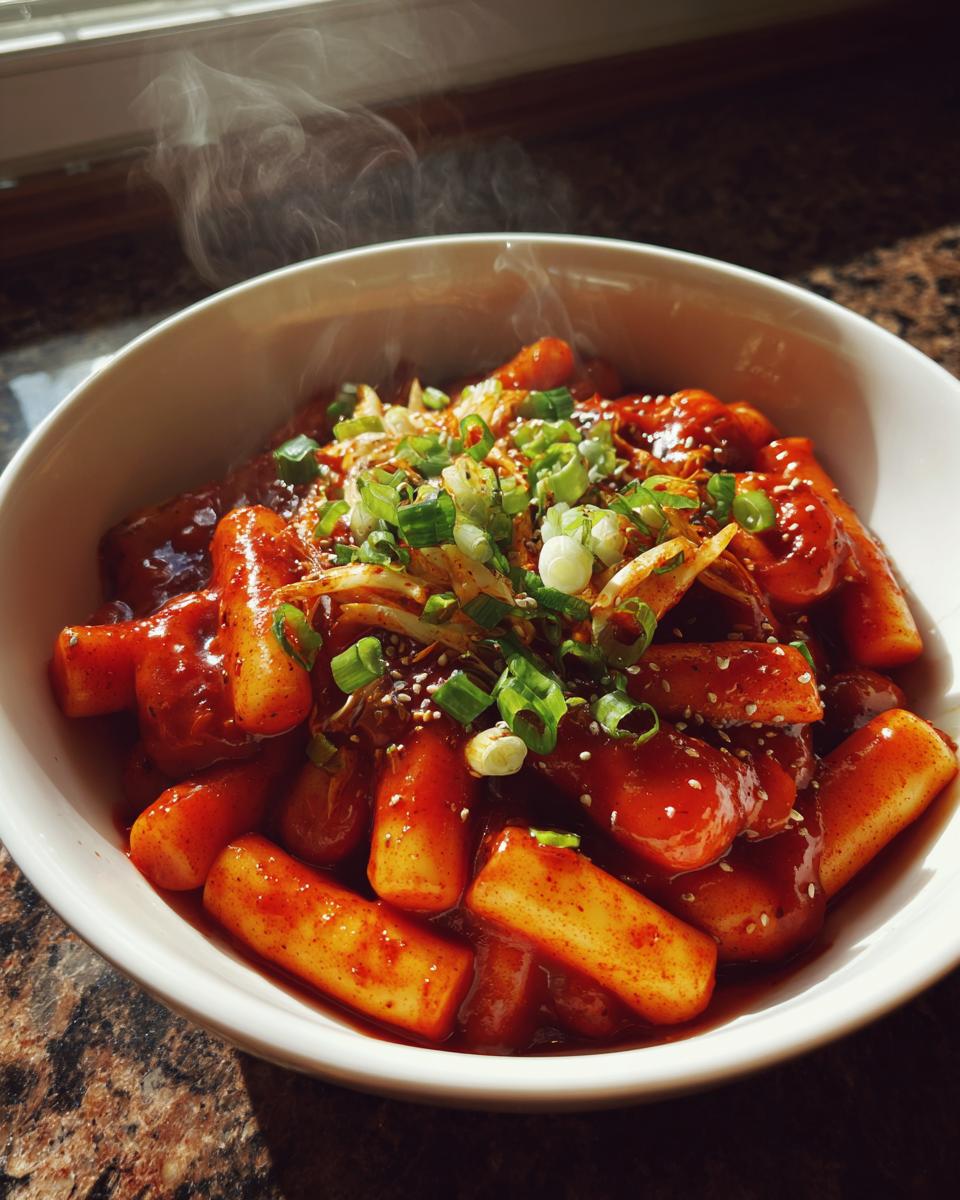
Warning: You might want to make a double batch. Between you and me, this dish disappears FAST once people get a taste!
Tips for Perfect Korean Spicy Rice Cakes (Tteokbokki)
Alright, let me share all the little secrets I’ve picked up over years of making (and sometimes messing up) tteokbokki! These game-changing tips will take your rice cakes from good to “can’t-stop-eating” amazing:
1. Taste as you go with the spice level. That gochujang can vary wildly in heat between brands! Start with 2 tablespoons instead of the full 1/4 cup, then add more after the sauce simmers for a bit. My tongue learned this the hard way after one particularly fiery batch.
2. Swap water for anchovy-kelp broth when you want extra umami. It’s super easy – just simmer a piece of dried kelp and 5-6 dried anchovies in 4 cups water for 15 minutes, then strain. The depth of flavor will blow your mind!
3. Keep the sauce moving when it starts thickening. Those starchy rice cakes release magic into the sauce, but it can stick quickly once it reduces. A silicone spatula is perfect for gently scraping the bottom as you stir.
4. Add a splash of milk if your sauce gets too spicy. Sounds weird, but it works! The fat tames the heat without dulling the flavor. I learned this trick from a street vendor in Busan during my “let’s see how much gochugaru I can handle” phase.
5. Leftover trick: Refresh rice cakes with a quick steam. If you somehow have leftovers (rare in my house), reheat them in a steamer basket for 2-3 minutes instead of microwaving. It brings back that perfect chewy texture!
One bonus tip from my Auntie Min – let the cooked tteokbokki sit for 5 minutes off heat before serving. Those rice cakes soak up even more sauce flavor while resting. Try it – you’ll notice the difference immediately!
Ingredient Substitutions & Notes
Listen, I know we don’t all have a fully stocked Korean pantry at home (I certainly didn’t when I first started cooking tteokbokki!). Here’s the good news – this dish is actually pretty forgiving if you need to make some swaps. These are my tried-and-true substitutions that still deliver amazing results:
Out of corn syrup? Honey works beautifully as a substitute – just use the same amount. Maple syrup can work in a pinch too, though it’ll add a slightly different flavor. My Korean friend actually prefers honey because it adds a floral note that balances the heat.
Can’t find gochugaru? You can use regular red pepper flakes, but use half the amount since they’re typically spicier. Or if you’re really in a bind, a dash of cayenne pepper mixed with smoked paprika will give you some of that depth.
Vegetarian or vegan? Skip the fish cake and use vegetable broth instead of water for extra flavor. The boiled egg is optional anyway – though I do love tossing in some pan-fried tofu cubes as a protein substitute!
Want to bulk it up? Oh boy, let me tell you about my favorite additions! Thinly sliced beef or pork belly turns this into a full meal. Shrimp cooks beautifully in the sauce too – just add them during the last 3 minutes. And don’t even get me started on adding cheese (mozzarella or the Korean queso-style cheese is divine when melted over the top).
Rice cake alternatives: In a real emergency, you could use udon noodles – they won’t be the same, but they’ll soak up that delicious sauce. Some people even use gnocchi in a pinch (though my Korean grandma would probably faint at the idea!).
One important note: always check your rice cake package – some brands are pre-soaked and ready to cook, while others need that crucial 10-minute soak. There’s nothing sadder than biting into a still-hard rice cake because you skipped this step!
Remember – cooking should be fun, not stressful. Don’t be afraid to play around with ingredients based on what you have. The most important thing is that you end up with a bowl of spicy, chewy deliciousness that makes you happy!
Frequently Asked Questions
Can I use frozen rice cakes for tteokbokki?
Absolutely! Frozen rice cakes work great – that’s actually what I use most often. The key is soaking them in warm water for 10 minutes before cooking. This brings back that perfect chewy texture. Fresh rice cakes are wonderful too if you can find them, but don’t worry if you only have frozen ones on hand.
How do I store leftover tteokbokki?
Okay, first – congrats on having leftovers! That never happens in my house. Store them in an airtight container in the fridge for up to 2 days. The sauce will thicken as it cools, so when reheating, add a splash of water and warm it gently on the stove. Pro tip: The rice cakes will harden when cold, but they’ll soften up again when reheated.
Can I make this less spicy?
Yes! Start with half the gochujang and gochugaru, then taste and add more if you want more heat. You can also add a teaspoon of sugar at a time to balance the spice. My non-spicy-eating friend swears by adding a tablespoon of milk to her bowl – it really works to tame the heat without changing the flavor too much.
What’s the best way to reheat tteokbokki?
Stovetop is definitely best! Add your leftovers to a pan with a tablespoon or two of water, cover, and heat on medium-low until the rice cakes are soft again (about 3-5 minutes). Stir occasionally to prevent sticking. Microwaving works in a pinch, but the texture won’t be quite as good.
Can I add other proteins to this dish?
Oh absolutely – get creative! Thinly sliced beef, shrimp, or even spam work great (add them when you put in the rice cakes). My personal favorite is adding some Korean fried chicken on the side. If you’re vegetarian, try pan-fried tofu or extra veggies like mushrooms and zucchini. The sauce goes with almost anything!
Serving Suggestions
Oh, let me tell you – tteokbokki is amazing on its own, but pairing it with the right sides takes it to a whole new level! Here are my favorite ways to serve this spicy delight:
Kimchi is a must! That tangy crunch is the perfect contrast to the chewy rice cakes. I always have some homemade kimchi ready for tteokbokki nights. The spicy kind works great, but even mild white kimchi adds a nice fresh bite.
Korean fried chicken – because why choose between two amazing foods? The crispy skin dipped in that spicy sauce is absolute perfection. My local Korean spot calls this combo “fire and ice,” and now I get why!
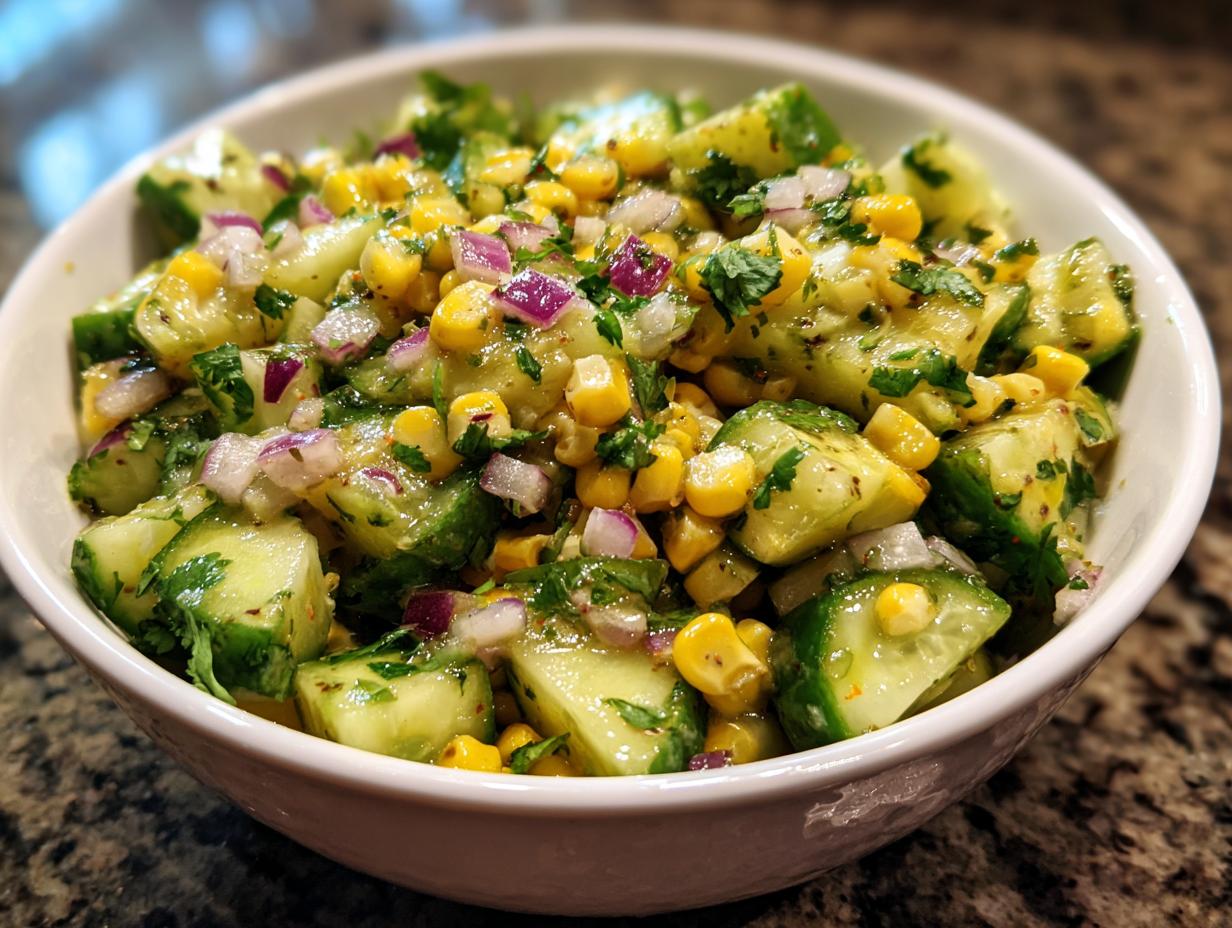
Simple cucumber salad cools things down when the spice gets intense. Just slice cucumbers thin, toss with a little rice vinegar and sesame seeds. It’s so refreshing between bites of fiery rice cakes.
For a complete meal, add steamed dumplings (mandu) or scallion pancakes (pajeon) on the side. They soak up any extra sauce beautifully. And if you really want to impress, serve with Korean corn cheese – trust me, the creamy sweetness balances the heat perfectly!
Pro tip: Keep some cold milk or sweet rice drink (sikhye) nearby for spice emergencies. My husband learned this lesson the hard way during our first tteokbokki date night – now it’s part of our regular setup!
The best part? Tteokbokki is super flexible. Sometimes I keep it simple with just kimchi, other times I go all out with a full Korean feast. Either way, that spicy, chewy goodness always hits the spot.
Storage & Reheating
Okay, let’s talk about what to do when you’ve made too much tteokbokki (though in my house, that’s basically a miracle!). Here’s how to keep those rice cakes tasting as good as fresh:
Fridge storage: Pack leftovers in an airtight container within 2 hours of cooking, and they’ll keep for about 2 days. The sauce will thicken into a jelly-like consistency – that’s totally normal! Just remember the rice cakes will harden when cold, but don’t panic – we’ll fix that when reheating.
Freezer option: You can freeze tteokbokki for up to a month, but fair warning – the texture won’t be quite the same. Thaw overnight in the fridge before reheating. I only recommend freezing if you’ve made a huge batch and really can’t finish it.
Best reheating method: Hands down, the stovetop works best! Put your tteokbokki in a pan with 2-3 tablespoons of water, cover, and heat on medium-low for 3-5 minutes. Stir occasionally until the rice cakes soften and the sauce becomes creamy again. If it looks too thick, just add more water a teaspoon at a time.
Microwave trick: In a pinch, microwave in 30-second bursts with a damp paper towel over the bowl. Stir between each burst and add a splash of water if needed. It won’t be quite as perfect as stovetop, but it works when you’re desperate for that spicy fix!
Pro tip from my many experiments: never reheat tteokbokki on high heat – you’ll end up with tough rice cakes and separated sauce. Low and slow is the way to go for that just-made texture. And whatever you do, don’t refreeze after thawing – the texture turns downright sad.
Confession time: I’ve been known to eat cold tteokbokki straight from the fridge at 2am when the craving hits. Not gonna lie – the chewy texture is different but still delicious in its own way! But for proper enjoyment, that gentle stovetop reheat can’t be beat.
Nutritional Information
Now, I’m no nutritionist, but I know some of you like to keep track of what you’re eating – especially when it’s as addictive as tteokbokki! Just remember these numbers are rough estimates since ingredients can vary. Here’s the breakdown per serving (about 1/3 of the recipe):
- Calories: Around 350 – but who’s counting when it’s this delicious?
- Carbs: 70g (those rice cakes are little carb bombs, but oh so worth it)
- Protein: 8g (boost it with eggs or fish cakes if you want more!)
- Sugar: 15g (mostly from the sauce’s sweet-spicy balance)
- Sodium: 800mg (the soy sauce and gochujang pack a salty punch)
- Fat: 5g (that sesame oil adds just the right amount)
Quick disclaimer: These values can change based on your exact ingredients and any add-ins you use. If you’re watching specific dietary needs, I’d recommend plugging your exact recipe into a nutrition calculator. But honestly? Sometimes food is just about joy – and this dish delivers that in spicy, chewy spoonfuls!
Pro tip: If you’re looking to lighten things up, you can reduce the sugar slightly or use low-sodium soy sauce. But promise me you won’t skip the sesame oil – that’s where half the magic happens!
Rate This Recipe
Alright, here’s the part where I get to live vicariously through your tteokbokki adventures! Did you make it extra spicy? Add some wild toppings I haven’t tried yet? Drop a comment below and tell me all about it – I read every single one (usually while eating another bowl of rice cakes).
Give this recipe a star rating if you tried it! Did it bring back memories of Seoul street food stalls? Was it your first time cooking Korean food? I want to hear all about your experience – the good, the bad, and the “OMG my mouth is on fire but I can’t stop eating” moments.
Pro tip: Snap a photo of your creation before you devour it (if you can resist that long!) and tag me on Instagram. There’s nothing I love more than seeing your versions of this spicy comfort food. Did you put your own twist on it? Substitute something unexpected? Make it for friends who swore they couldn’t handle spice but ended up licking the bowl? Spill all the details!
Seriously, your feedback makes my day. This recipe comes straight from my heart (and my slightly obsessive tteokbokki experiments), so knowing you tried it means the world. Now go forth and make some spicy magic – then come back and tell me all about it!
Print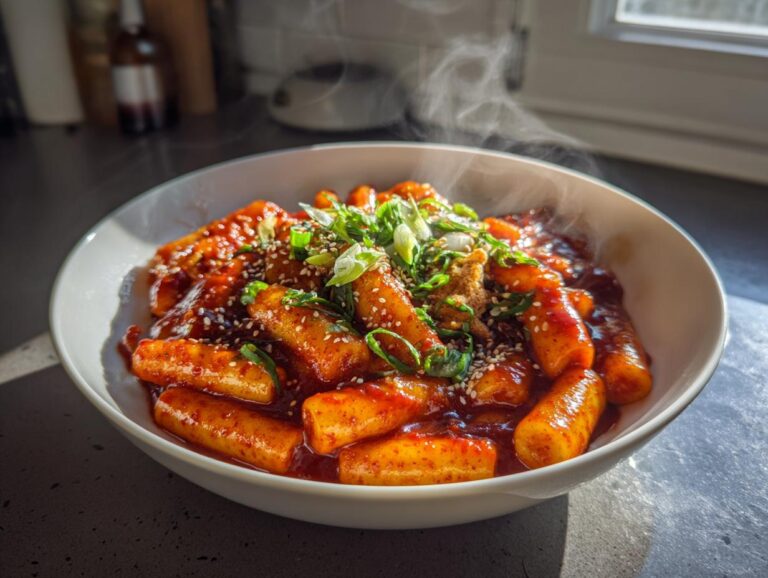
Fiery Korean Spicy Rice Cakes (Tteokbokki) in 30 Minutes Flat
Korean Spicy Rice Cakes (Tteokbokki) is a popular Korean street food dish made with chewy rice cakes in a sweet and spicy sauce. It’s quick to prepare and packed with bold flavors.
- Total Time: 25 mins
- Yield: 2-3 servings 1x
Ingredients
- 500g Korean rice cakes (tteok)
- 4 cups water
- 1/4 cup gochujang (Korean red pepper paste)
- 1 tbsp gochugaru (Korean red pepper flakes)
- 2 tbsp soy sauce
- 1 tbsp sugar
- 1 tbsp corn syrup (or honey)
- 2 cloves garlic (minced)
- 1 green onion (chopped)
- 1 tbsp sesame oil
- 1 sheet fish cake (optional)
- 1 boiled egg (optional)
- 1/2 cup cabbage (shredded, optional)
Instructions
- Soak the rice cakes in warm water for 10 minutes if they are hard.
- In a pot, mix water, gochujang, gochugaru, soy sauce, sugar, and corn syrup. Bring to a boil.
- Add minced garlic and rice cakes. Cook for 5-7 minutes until the sauce thickens.
- Add fish cake, cabbage, and boiled egg if using. Simmer for 2 more minutes.
- Drizzle sesame oil and sprinkle chopped green onions before serving.
Notes
- Adjust the spice level by reducing or increasing gochujang and gochugaru.
- For extra flavor, add a piece of dried kelp or anchovy broth instead of water.
- Serve immediately as the rice cakes harden when cooled.
- Prep Time: 10 mins
- Cook Time: 15 mins
- Category: Main Dish
- Method: Stovetop
- Cuisine: Korean
- Diet: Vegetarian
Nutrition
- Serving Size: 1 serving
- Calories: 350
- Sugar: 15g
- Sodium: 800mg
- Fat: 5g
- Saturated Fat: 1g
- Unsaturated Fat: 3g
- Trans Fat: 0g
- Carbohydrates: 70g
- Fiber: 2g
- Protein: 8g
- Cholesterol: 0mg