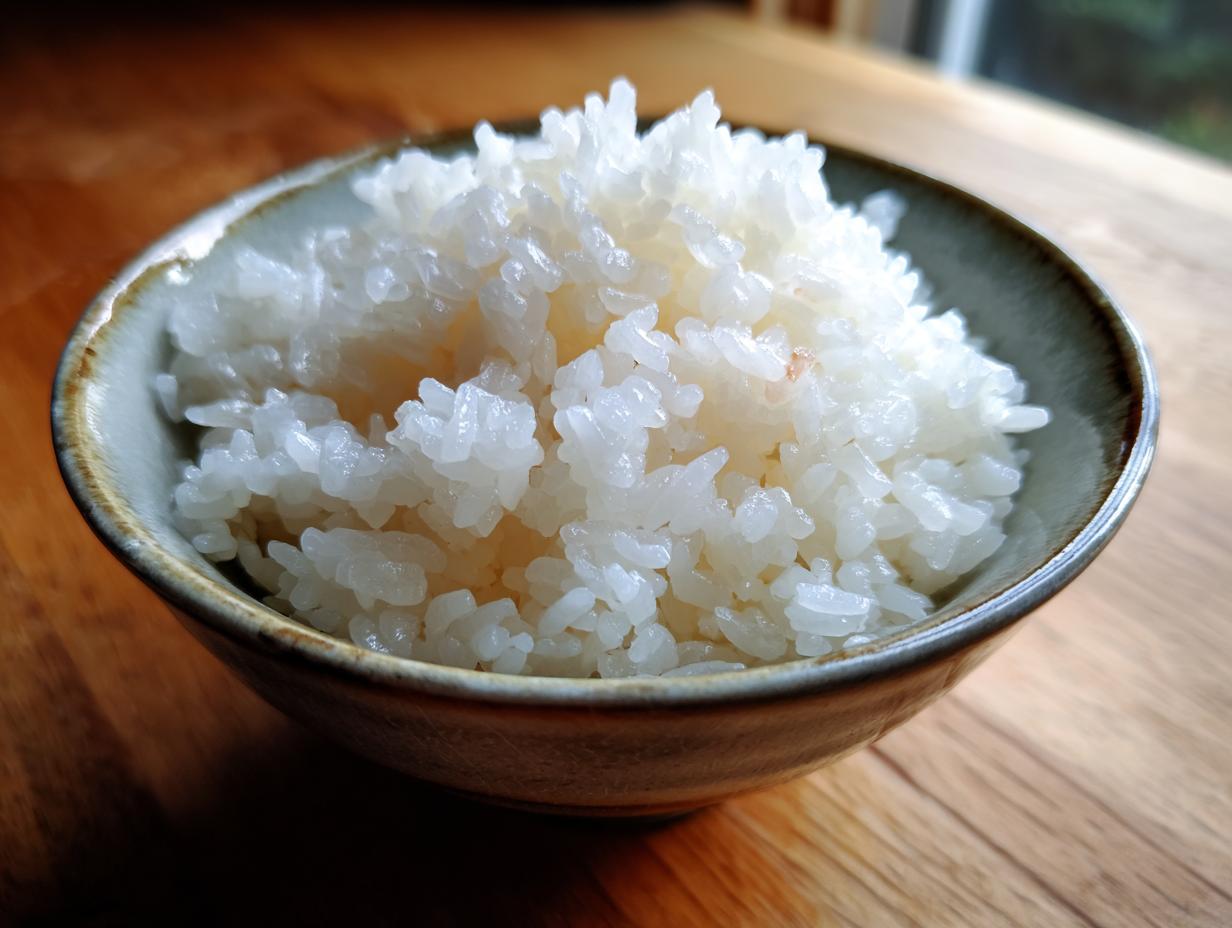
Let me tell you a secret – the magic of great sushi starts long before the fish hits the rice. If you want to know how to make perfect sushi rice every time, you’re already halfway there because you understand what really matters. That slightly sweet, vinegary base with just the right sticky-but-not-gummy texture? That’s what separates takeout sushi from the “wow, you made this?!” kind. I learned this the hard way after serving what my best friend politely called “sushi-flavored mush” at my first dinner party. Now, with a few simple tricks and the right approach, you’ll nail that authentic restaurant-quality rice in your own kitchen.
Ingredients for Perfect Sushi Rice
Here’s the beautiful part – you only need five simple ingredients to make magic happen. But don’t let that fool you, each one plays a starring role in creating that iconic sushi rice flavor and texture we all love. I learned this lesson when I once tried substituting “regular” rice vinegar with apple cider vinegar – let’s just say my California rolls never recovered from that experiment!
- 2 cups short-grain sushi rice – This isn’t the place for long-grain or jasmine rice. That plump, starchy short-grain variety is what gives sushi rice its characteristic chew and stickiness. My favorite brand is Nishiki – it never lets me down.
- 2 1/4 cups water – Seems basic, but the rice-to-water ratio makes all the difference. Too much and you’ll get mush, too little and you’ll be chewing pebbles.
- 1/4 cup rice vinegar – The subtle acidity balances the sweetness. I always keep an extra bottle in my pantry because running out mid-recipe is a tragedy.
- 2 tablespoons granulated sugar – This isn’t dessert-level sweet, but that hint of sugar is what makes the flavors sing together. Trust me on this.
- 1 teaspoon salt – Just enough to enhance all the other flavors without making the rice taste salty. I use fine sea salt because it dissolves beautifully into the vinegar mixture.
See? Simple, but each one matters. When my neighbor asked why her homemade sushi didn’t taste “right,” the first thing I checked was whether she’d used the right rice. That one swap changed everything for her. Now go check your pantry – I’ll wait!
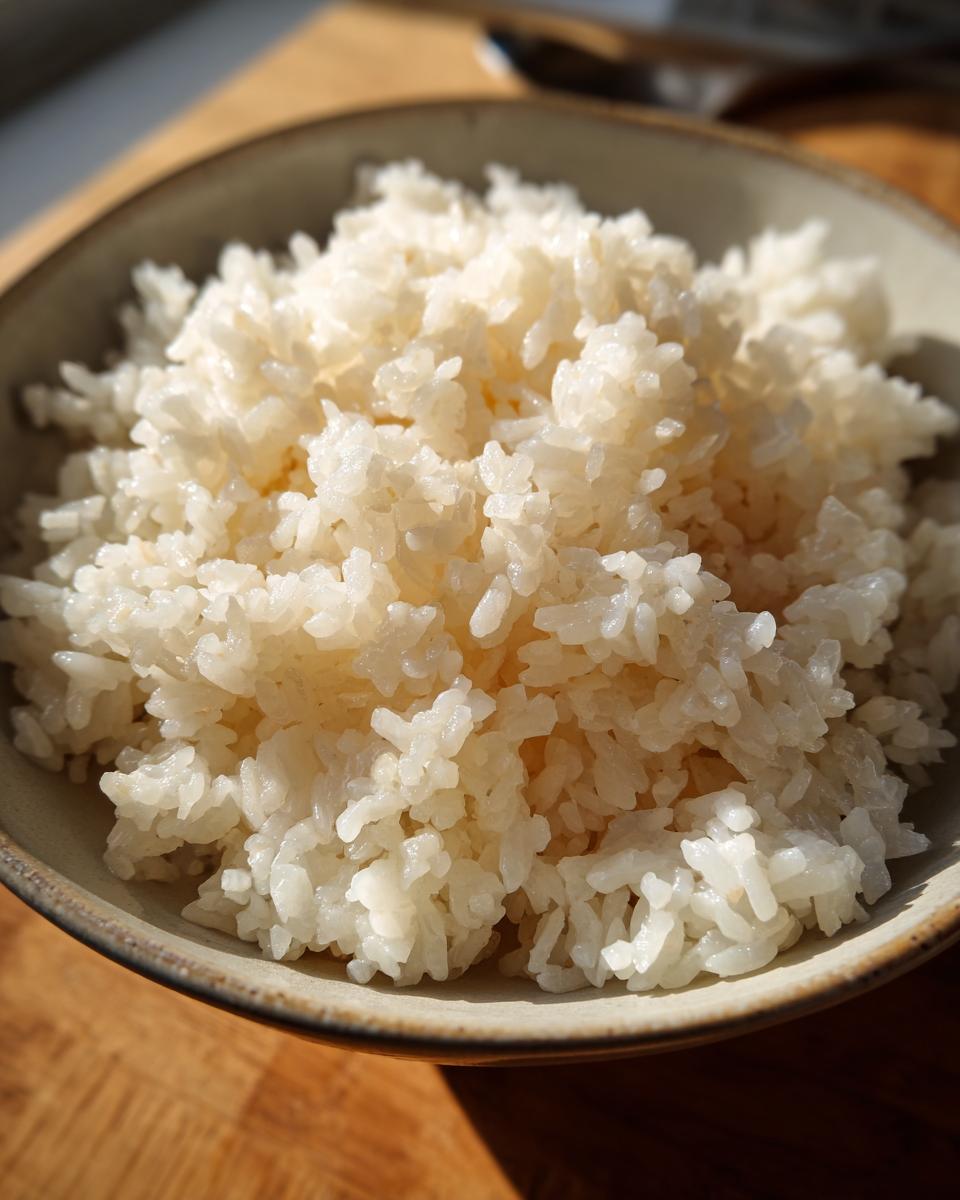
How To Make Perfect Sushi Rice Every Time
Now comes the fun part – turning those simple ingredients into that magical sticky-sweet rice that holds your sushi together. I’ve probably made this a hundred times, and I still get excited when I see those perfectly separate grains glistening with vinegar. Let me walk you through each step like I’m right there in your kitchen with you (I’ll pretend not to notice if you sneak a taste – we all do it!).
Rinsing and Cooking the Rice
First things first – we’ve got to wash that rice! I learned this the hard way when I skipped this step and ended up with gummy rice that stuck to everything except my sushi roll. Here’s how to do it right:
Dump your rice into a fine-mesh strainer and hold it under cold running water. Swirl it around with your fingers like you’re panning for gold (but way less messy). Keep going until the water runs completely clear – this might take 3-4 minutes, but it’s worth it! That cloudy water is excess starch that’ll make your rice gluey if you leave it in.
Now for cooking: If you’ve got a rice cooker, just add the rinsed rice and water, then press start – easy peasy. For stovetop folks like me, use a heavy-bottomed pot with a tight-fitting lid. Bring it to a boil, then immediately reduce to the lowest heat for 20 minutes. No peeking! That trapped steam is doing important work.
Preparing the Vinegar Mixture
While your rice cooks, let’s make the magic sauce! In a small saucepan, combine the rice vinegar, sugar, and salt. Turn the heat to medium-low – we’re not boiling here, just gently warming until everything dissolves. Stir constantly with a wooden spoon (metal can react with the vinegar).
You’ll know it’s ready when you can’t feel any sugar grains when you rub a drop between your fingers. This usually takes about 2-3 minutes. Turn off the heat the second it’s smooth – burnt vinegar smells terrible and ruins the delicate balance we’re going for. Pro tip: I sometimes add a small piece of kombu seaweed to the vinegar while it warms for extra umami, but that’s my little secret!
Mixing and Cooling the Rice
Here’s where things get exciting! Transfer your cooked rice to a wide, shallow bowl – wood is traditional, but glass or plastic works too (just avoid metal, it reacts). Drizzle about half the vinegar mixture evenly over the rice.
Now for the special move: Use a rice paddle or wooden spoon to gently fold and slice through the rice, turning it from the bottom up. Imagine you’re turning pages in a book, not stirring soup! We want every grain coated without smashing them. Add more vinegar as needed until you get that perfect glossy look.
Finally, fan the rice while you work to help it cool faster – this gives it that perfect shiny texture. I use a small handheld fan or even a piece of cardboard in a pinch. Let it cool to room temperature before using (about 10-15 minutes). Resist the urge to refrigerate – cold rice gets hard and loses its magic!
Tips for Perfect Sushi Rice Every Time
After years of trial and (mostly) delicious error, I’ve picked up some game-changing tricks for sushi rice perfection. These are the little things that take your rice from “pretty good” to “is this from a fancy sushi bar?” level. My Japanese auntie would nod approvingly at these – and she doesn’t nod at just anything!
The Right Tools Make All the Difference
First up – your mixing bowl matters more than you’d think. A traditional wooden hangiri is ideal because it absorbs excess moisture, but any wide, shallow non-metal bowl works. Metal reacts with the vinegar and gives the rice an off taste – learned that one the hard way when my rice tasted like I’d stirred it with a penny!
And about that stirring – always use a wooden rice paddle or spatula. The flat edge helps you slice through the rice gently instead of mashing it. I keep one just for rice because, trust me, you don’t want garlic flavors sneaking into your sushi!
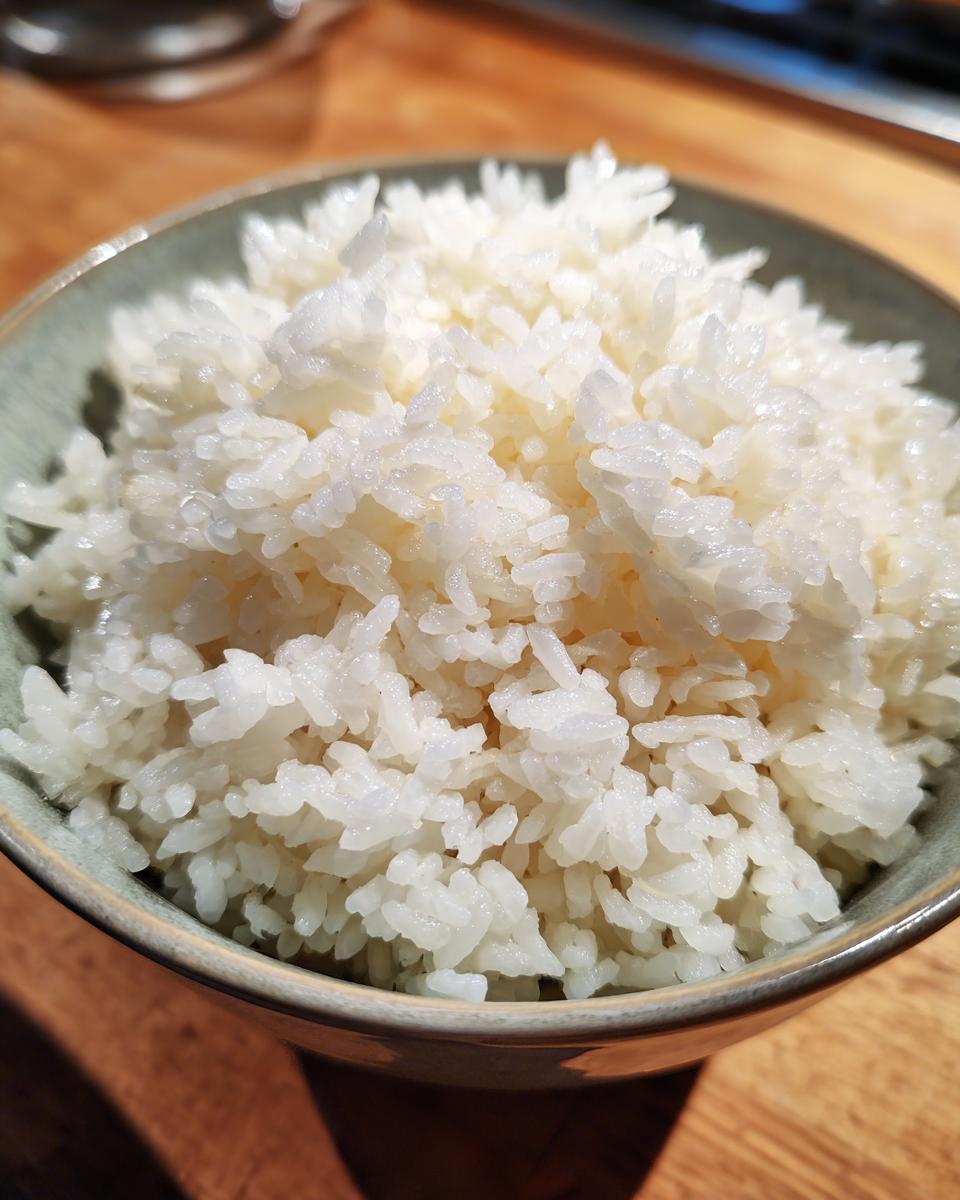
Temperature is Everything
Here’s where most home cooks go wrong – serving temperature. Sushi rice should always be at room temperature when you use it. Too hot and it’ll make your nori soggy; too cold and it turns into flavorless cement. I spread mine in a thin layer on a baking sheet to cool faster – just cover it with a damp towel so it doesn’t dry out.
Pro tip: If you need to hold the rice for a bit before using, keep it in a covered bowl with a damp kitchen towel on top. Not in the fridge – that’s where dreams of perfect sushi go to die!
The Fan Trick for Shiny, Perfect Grains
Want that gorgeous glossy look like the sushi chefs get? Grab any fan – even a piece of cardboard will work in a pinch. As you fold in the vinegar mixture, have someone fan the rice (or rig up a small desk fan nearby). The quick cooling helps each grain stay separate and shiny. My kids love helping with this part – they call it “making magic rice clouds!”
And here’s my secret weapon – a spritz bottle with water. If your rice starts drying out while you’re working, a light mist brings it right back to perfect texture. Just one or two sprays though – we’re reviving it, not making rice soup!
Common Mistakes to Avoid
Let me save you from the sushi rice disasters I’ve lived through! Nothing’s worse than putting love into rolling beautiful sushi only to have the rice betray you. After rescuing countless dinner parties (and eating my fair share of “learning experiences”), here are the big pitfalls to watch out for.
Skipping the Rice Rinse
“It’s just water, how much difference can it make?” Famous last words! That cloudy rinse water is packed with excess starch that’ll turn your rice into paste if you leave it in. I once got impatient and only rinsed twice – my sushi rolls stuck together like glue. Now I rinse until the water runs completely clear, even if it takes 5 minutes. Your future self will thank you when your nigiri holds its perfect shape!
Overcooking Into Mush
That timer isn’t just a suggestion! Sushi rice needs to be tender but still have a slight chew – overcooked grains turn to mush when you add the vinegar. My trick? At 18 minutes, I grab one grain to test. If it smushes easily between my fingers but still has a tiny firm center, it’s done. Residual heat will finish the job while it rests. And whatever you do, don’t lift that lid to peek – you’ll let out precious steam!
Manhandling the Rice
This isn’t mashed potatoes! When mixing in the vinegar, pretend you’re handling tiny delicate jewels. I use a slicing motion with my rice paddle, turning the rice from the bottom up gently. My first attempts looked like rice pudding because I stirred too vigorously – lesson learned! If you see grains starting to break, stop immediately. Better slightly uneven vinegar distribution than smashed rice.
Using Cold Rice
Here’s one I see all the time – people refrigerate their sushi rice “to save time.” Big mistake! Cold rice hardens and loses its stickiness, making rolls fall apart. I keep mine at room temperature under a damp towel until ready to use. If you must make it ahead, reheat gently with a splash of water in the microwave, then let it cool again. But honestly? Fresh is best – schedule your prep accordingly!
Ignoring the Rice Vinegar Ratio
“More flavor must be better,” right? Wrong! Too much vinegar makes the rice soggy and overpowering. I measure exactly – no eyeballing! That 1/4 cup vinegar to 2 cups rice ratio is gold. And never pour it all in at once – add gradually while tasting. My auntie taught me to stop when the rice tastes balanced, not sour. Pro tip: If you accidentally over-vinegar, mix in a bit more fresh rice to dilute it.
Variations and Substitutions
Okay, let’s get real – sometimes you’re halfway through making sushi rice and realize you’re out of rice vinegar. Or maybe you’re cooking for someone with dietary restrictions. Don’t panic! I’ve experimented with all kinds of swaps over the years (some more successful than others). Here’s what works and what… well, let’s just say I’ll save you from my “apple cider vinegar disaster” story!
Vinegar Alternatives That Actually Work
In a pinch, you can substitute the rice vinegar with:
- Brown rice vinegar – Slightly mellower flavor but works beautifully. My health-conscious friend swears by this version.
- White wine vinegar + pinch of sugar – About 3/4 the amount of rice vinegar, plus an extra teaspoon of sugar to balance.
- Mirin – The sweet Japanese cooking wine makes a lovely, slightly sweeter alternative. Reduce the sugar by half if using this.
What not to use? Regular white vinegar (too harsh) or balsamic (just… no). Trust me on that last one – my “Italian sushi” experiment still haunts me!
Sweetener Swaps
If you’re watching your sugar intake, these alternatives can work:
- Coconut sugar – Gives a subtle caramel note. Use the same amount but dissolve it completely in warm vinegar first.
- Maple syrup – About half the amount since it’s sweeter. Adds a lovely depth I actually prefer sometimes!
- Honey – Thin it with warm water before adding. Start with 1 tablespoon and adjust to taste.
Just remember – granulated white sugar gives the cleanest, most traditional flavor. These swaps will change the taste slightly, but sometimes that’s half the fun!
When You’re Out of Short-Grain Rice
True confession: I once made “sushi” with jasmine rice during a snowstorm. The texture was all wrong, but it tasted okay in a pinch! If you must substitute:
- Medium-grain rice – Not ideal but workable. Rinse extra thoroughly and reduce water slightly.
- Calrose rice – Actually a decent backup with similar starch content.
- Arborio rice – Yes, the risotto rice! Surprisingly sticky, but cook it with less water than usual.
But really? For authentic results, wait until you can get proper sushi rice. Those plump short grains make all the difference – my Japanese grocery store runs are sacred sushi missions!
The bottom line? Don’t be afraid to experiment, but know that each swap will change the final product. My philosophy? First time making sushi? Stick to the classic recipe. Feeling adventurous later? Go wild with variations – that’s how new favorites are born!
How to Store and Reuse Sushi Rice
Okay, real talk – sushi rice is happiest when it’s fresh, but life happens! Maybe you got carried away and made too much (guilty!), or you need to prep ahead for a party. Here’s how I keep leftover rice from turning into a sad, dried-out mess. These tricks saved me after my infamous “sushi for 50” miscalculation – thank goodness rice is forgiving!
The Right Way to Store It
First rule: Never, ever put hot rice straight in the fridge. That’s how you end up with a rock-hard block that could double as a doorstop! Here’s what I do instead:
Let the rice cool completely at room temperature first – but no longer than 2 hours (food safety first!). Then transfer it to an airtight container with a damp paper towel placed right on top of the rice before sealing. This keeps just enough moisture in without making it soggy. My favorite containers are glass because they don’t absorb smells – nobody wants garlicky sushi rice!
Bringing It Back to Life
Day-old rice needs some TLC, but it can still make great sushi with the right revival. Here’s my foolproof method:
Dampen a clean kitchen towel and wring it out well. Place your rice in a microwave-safe bowl and cover with the towel (not plastic wrap!). Microwave in 30-second bursts, fluffing gently between each. Stop when it’s just warm – not hot! The steam from the towel works magic.
No microwave? Steam it! Place the rice in a heatproof bowl over simmering water, covered with that damp towel again. Takes about 5-7 minutes. Either way, sprinkle a few drops of water over the rice first if it looks dry.
How Long Does It Keep?
Honestly? One day max for sushi purposes. The texture changes noticeably after 24 hours, even with perfect storage. But don’t toss it! Day-old rice makes killer:
- Fried rice – That slightly drier texture is actually perfect here!
- Rice balls (onigiri) – Shape it while slightly warm, wrap in plastic, and eat within a day.
- Chazuke – A comforting Japanese dish where you pour tea over rice.
Pro tip: If you must keep it longer, freeze individual portions in airtight bags. Thaw overnight in the fridge, then revive as above. It won’t be sushi-quality, but works for other dishes. Just promise me you won’t serve 3-day-old rice in your beautiful rolls – some things aren’t worth the risk!
The Biggest Storage Mistakes
Let me save you from the heartbreak of ruined rice with these hard-learned lessons:
- Leaving it uncovered – Rice dries out crazy fast. Always cover with that damp towel!
- Storing while warm – Creates condensation that turns rice mushy. Patience is key.
- Using metal containers – Can make the rice taste funny. Stick to glass or plastic.
- Refrigerating for days – After 24 hours, the texture changes too much for good sushi.
Remember: Fresh is always best with sushi rice. But when life gives you leftovers, these tricks will save the day – and your sushi party!
Nutritional Information
You might be wondering – how does this magical sushi rice translate nutritionally? Well, let me break it down for you. A half-cup serving (that’s about what you’d use for two decent-sized rolls) packs about 160 calories – not bad for the foundation of your sushi masterpiece!
Here’s the full breakdown per serving:
- Calories: 160
- Carbohydrates: 36g (that’s where all that energy comes from!)
- Sugar: 4g (mostly from our vinegar mixture)
- Sodium: 200mg
- Protein: 3g (surprising, right?)
- Fiber: 1g
Now, full disclosure – these numbers can vary slightly based on your exact rice brand, how much vinegar mixture you use (I sometimes sneak in an extra drizzle – shh!), and whether you lick the spoon (we all do it). The sugar content especially will change if you use one of those sweetener alternatives we talked about earlier.
Pro tip: If you’re watching carbs, you can reduce the sugar in the vinegar mixture by half – the rice will still be delicious, just less sweet. But honestly? Life’s too short to skip that perfect balance of sweet and tangy in my book!
Remember, this is just the rice – your final sushi’s nutrition will depend on all those yummy fillings you add. But hey, at least you know the foundation is solid!
Frequently Asked Questions
I’ve gotten so many great questions about sushi rice over the years – some from complete sushi newbies, others from fellow home cooks who hit snags. Here are the ones that come up most often, along with my tried-and-true answers. (And yes, I’ve made every single one of these mistakes myself!)
Can I use regular long-grain rice instead of sushi rice?
Oh honey, I wish! I learned this the hard way during a late-night sushi craving when that’s all I had. Long-grain rice just doesn’t have the right starch content to get sticky enough. Your rolls will fall apart before they hit the soy sauce. In a pinch, medium-grain or Calrose rice can sort of work, but for authentic results, spring for the real deal – it’s worth the extra trip to the store!
Why is my sushi rice so sticky it’s like glue?
Ah, the classic beginner’s woe! Usually one of three things happened: You didn’t rinse the rice enough (that starchy water needs to run clear), you overcooked it (20 minutes max!), or you stirred it too vigorously when adding the vinegar. My first batch stuck to everything – my hands, the bowl, even my cat gave me side-eye when I tried to clean it off her fur!
Can I make sushi rice without a rice cooker?
Absolutely! I didn’t own one for years. A heavy pot with a tight-fitting lid works just fine – the key is resisting the urge to peek. Set a timer, turn the heat way down after boiling, and let that steam work its magic. Though I’ll admit, getting a rice cooker changed my life – now I can focus on perfecting my roll technique while it handles the rice.
How do I know when I’ve added enough vinegar mixture?
Here’s my taste test trick: The rice should taste balanced – slightly sweet, slightly tangy, but neither flavor should overpower. I usually start with about 3/4 of the mixture, then add more as needed. If your rice starts looking wet rather than glossy, you’ve gone too far. Pro tip: It’s easier to add more than fix over-vinegared rice, so go slow!
My rice turned out too dry – can I fix it?
Don’t panic! Sprinkle a tablespoon or two of water over the rice, cover with a damp towel, and microwave for 30 seconds to let the steam work its magic. Then fluff gently. I’ve resurrected many a dry batch this way! For next time, check your water ratio – you might need an extra tablespoon or two when cooking, especially in dry climates.
Ready to Make Perfect Sushi Rice Every Time?
Look at you – sushi rice master in the making! After all these tips, tricks, and my personal kitchen disasters (seriously, that apple cider vinegar incident still haunts me), you’re completely ready to create restaurant-quality rice in your own kitchen. I’m practically giddy thinking about the beautiful sushi rolls you’re about to craft!
Now here’s my challenge to you: Grab that bag of sushi rice and get cooking this weekend. Take pics of your glossy, perfect grains – I want to see your proud “I made this!” moments. Tag me if you share on social (I’m @SushiRiceQueen – yes really!). Got questions while you’re knee-deep in rice? Slide into my DMs – I answer every single one because I remember being exactly where you are now.
Pro tip: Double the recipe if you’re having guests over. Nothing impresses like homemade sushi, and your friends will swear you’ve been hiding secret Japanese cooking skills. Just wait until they taste that perfectly balanced rice – sticky but not gummy, sweet but not cloying, with just the right vinegar kick. That’s the magic moment when they’ll say “Wow, you made this?!” And you’ll smile, thinking back to this very conversation.
Ready? Set? Roll! (Pun absolutely intended.) Your sushi adventure starts now – I can’t wait to hear how it goes!
Print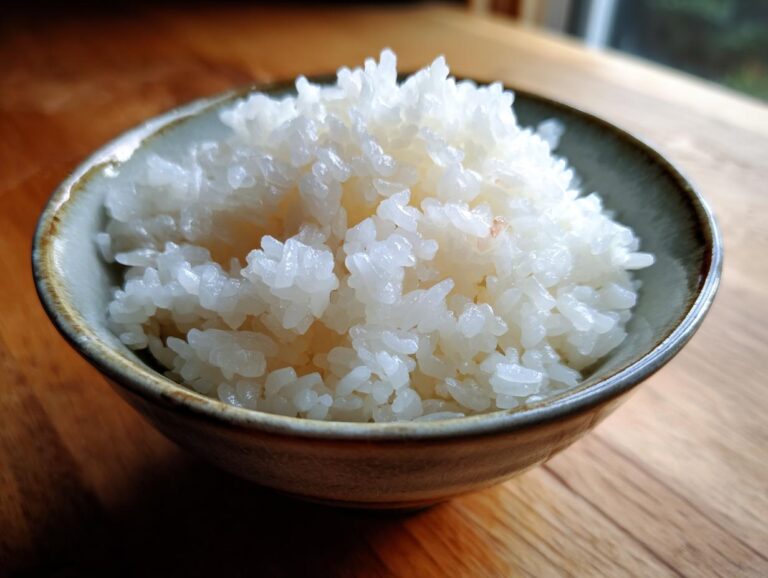
Flawless Sushi Rice in 3 Easy Steps Key to Perfect Rolls
Learn how to make perfect sushi rice with this simple recipe. Get the right texture and flavor for your homemade sushi.
- Total Time: 30 mins
- Yield: 4 servings 1x
Ingredients
- 2 cups sushi rice
- 2 1/4 cups water
- 1/4 cup rice vinegar
- 2 tbsp sugar
- 1 tsp salt
Instructions
- Rinse the sushi rice under cold water until the water runs clear.
- Cook the rice with water in a rice cooker or pot until tender.
- In a small saucepan, heat rice vinegar, sugar, and salt until dissolved.
- Transfer the cooked rice to a bowl and gently mix in the vinegar mixture.
- Let the rice cool to room temperature before using for sushi.
Notes
- Use short-grain sushi rice for the best results.
- Do not skip rinsing the rice to remove excess starch.
- Fold the vinegar mixture gently to avoid mashing the rice.
- Prep Time: 10 mins
- Cook Time: 20 mins
- Category: Side Dish
- Method: Stovetop
- Cuisine: Japanese
- Diet: Vegetarian
Nutrition
- Serving Size: 1/2 cup
- Calories: 160
- Sugar: 4g
- Sodium: 200mg
- Fat: 0g
- Saturated Fat: 0g
- Unsaturated Fat: 0g
- Trans Fat: 0g
- Carbohydrates: 36g
- Fiber: 1g
- Protein: 3g
- Cholesterol: 0mg